
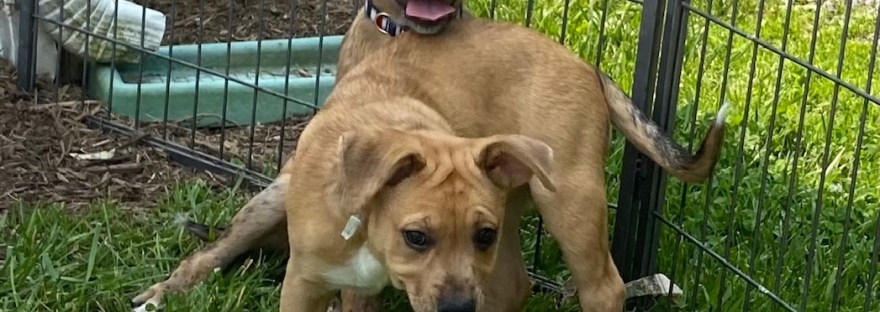
I don’t know what happened to my puppies before they arrive here with us. They may have come from a place of neglect or overwhelm or been strays with their mamas. Most likely they didn’t have good nutrition or prenatal care.
I can’t control what happened before, but I can have a say in what happens from here, and do my best to make up for lost time.
So I’m very intentional about fostering puppies. Beyond plenty of good food, a solid deworming schedule, and vaccinations, I try to give them daily enrichment in the form of new toys, new puppy room set up, new obstacles, plenty of attention, and lots of new experiences (vacuum cleaner, radio, dropping loud things nearby, etc.).



I establish a daily routine in terms of feeding, nap time, outside time, bedtime. That’s not always easy depending on my schedule and my family, but more or less, we follow a regular routine.
I know it will make them easier puppies and hopefully, dogs, later on down the line. I’m reading a book (I’ll tell you about it in a minute) that is reinforcing all of that and motivating me to want to do even more for not just my foster puppies and dogs, but my personal dogs.
How we interact every day with our dogs – providing enrichment, challenges, attention, and our training practices affects not just how happy they are, but their stress level and their long-term health.
All of these practices help me get to know my foster puppies (and dogs) and that will help when it comes to finding the best match for these fosters.
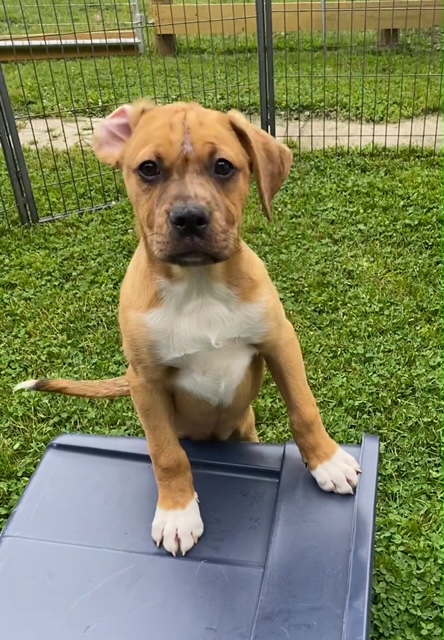
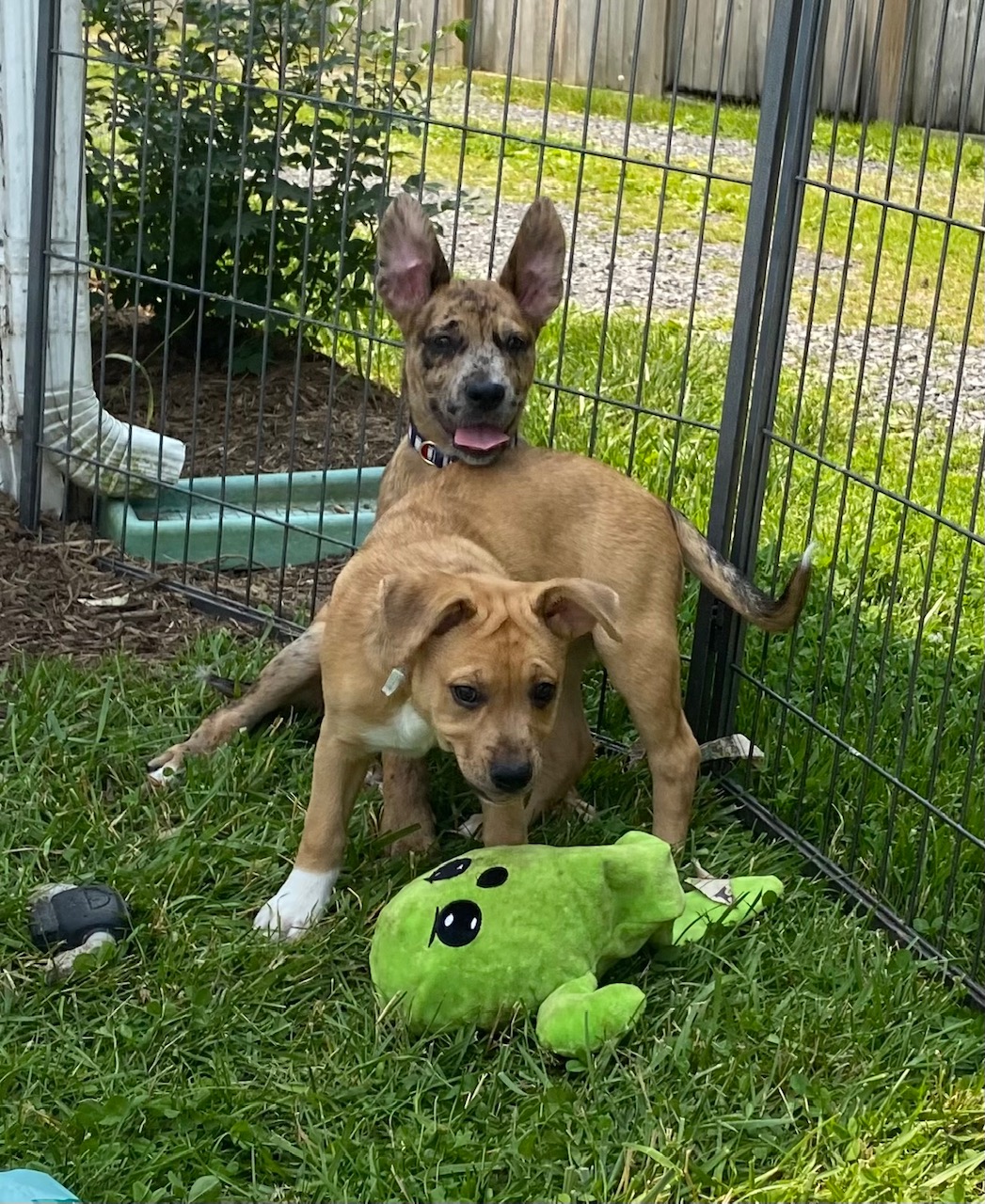
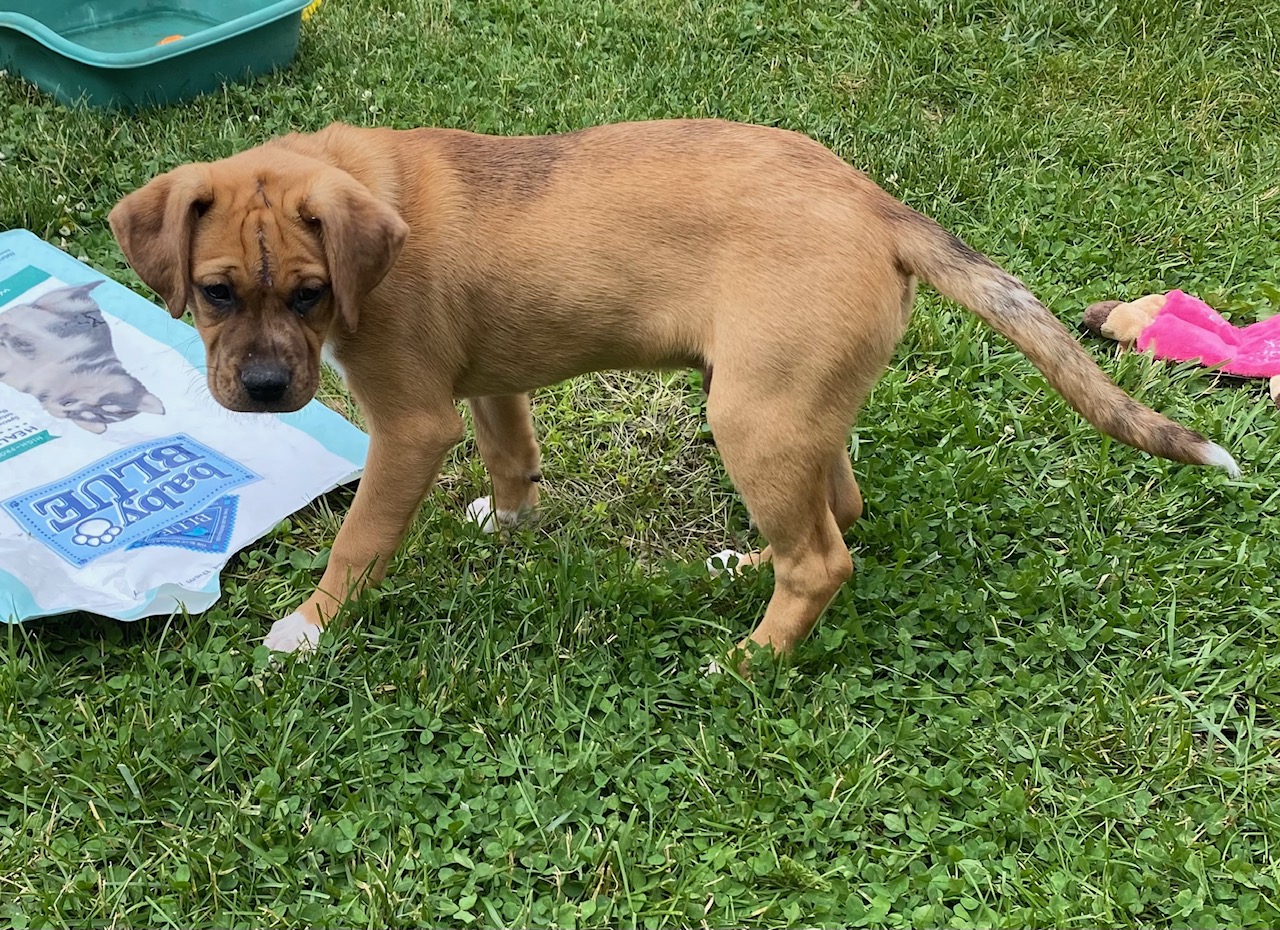
For instance, every time I put a new toy in the puppy room, Chubby is the first to check it out. She’s also the one that sticks with it after the boys have grown bored and wandered away. She has a longer attention span, maybe because she’s a girl or maybe it’s who she is. She’s smart and will thrive in a family that engages that brain training her beyond the basic stuff.
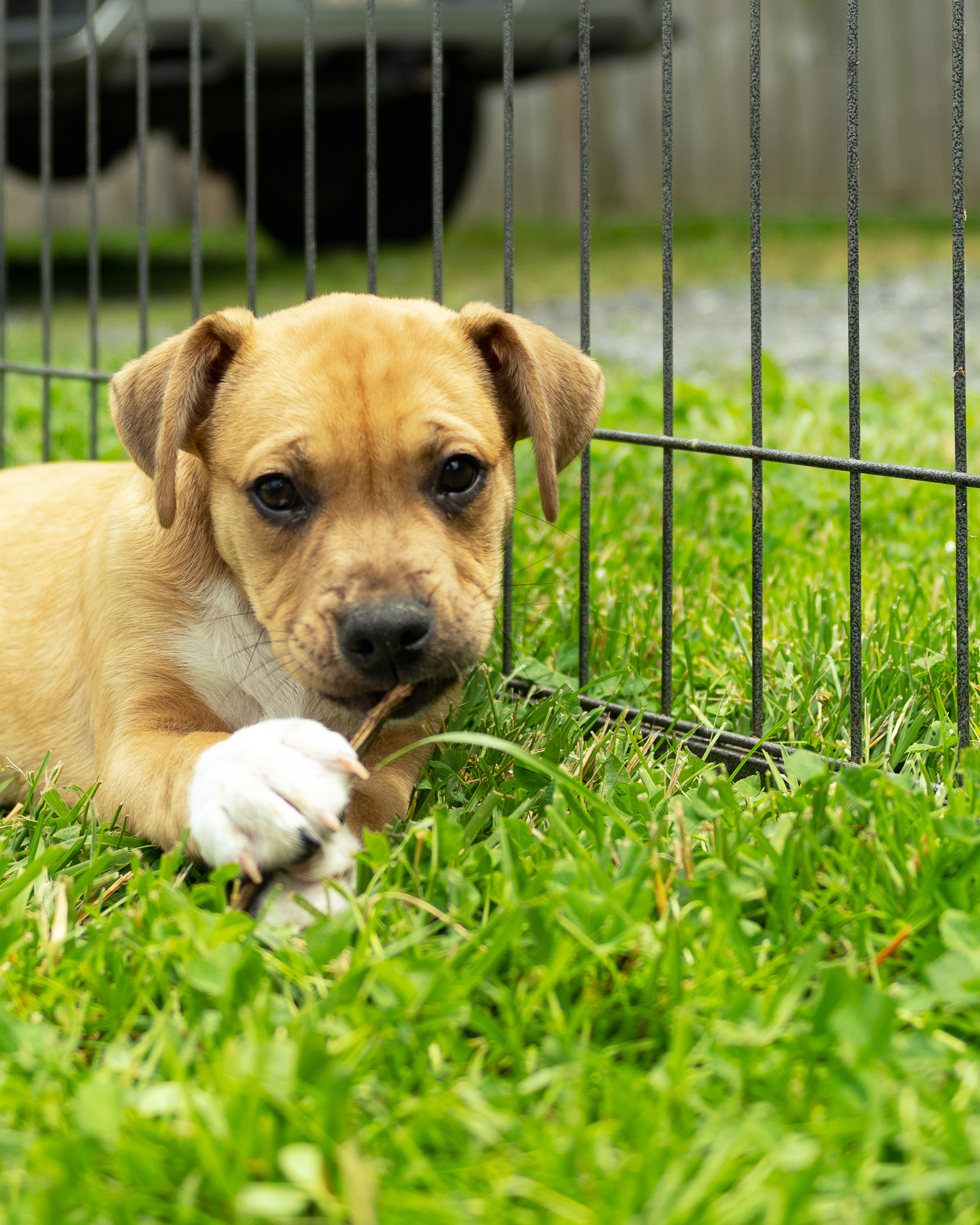
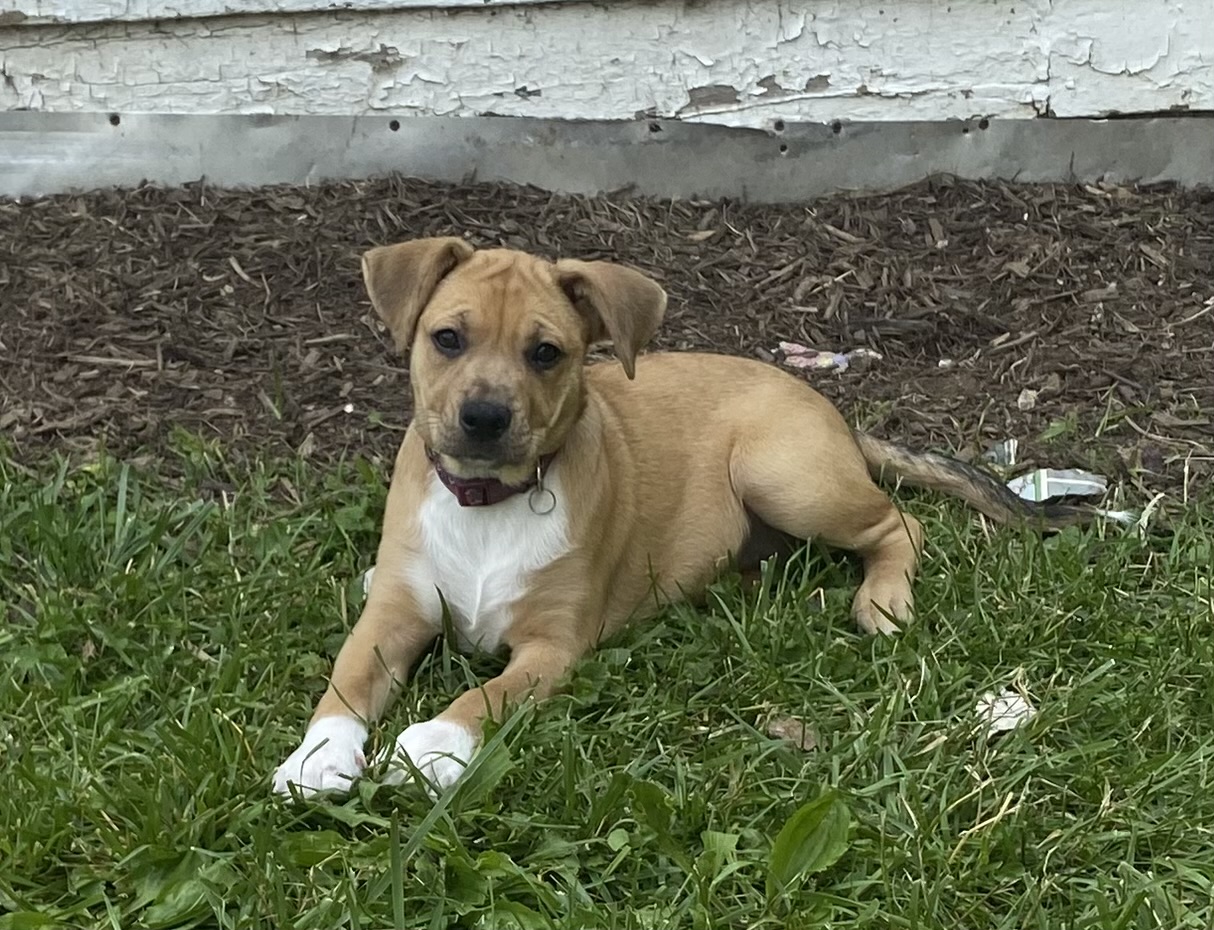
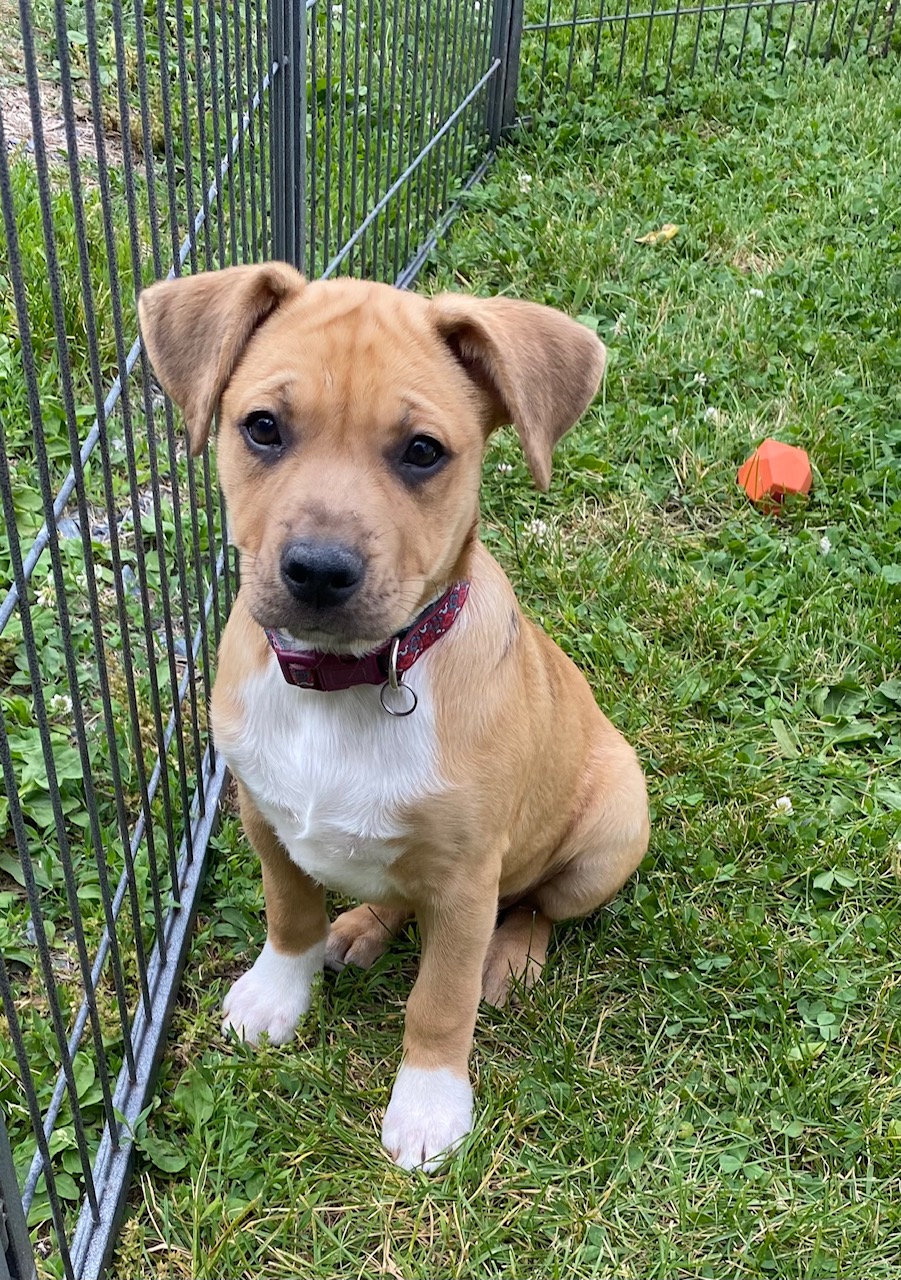
Bubby is the leader. His favorite game is Keepaway. The puppies love to find longer pieces of mulch (sticks to them) and then wrestle over them. Never mind that there are dozens of other sticks to choose from, whichever stick Bubby chooses becomes the one everyone wants. He loves to race around the pen taunting the others. He will need plenty of opportunities to play with other dogs and will probably enjoy going on outings.
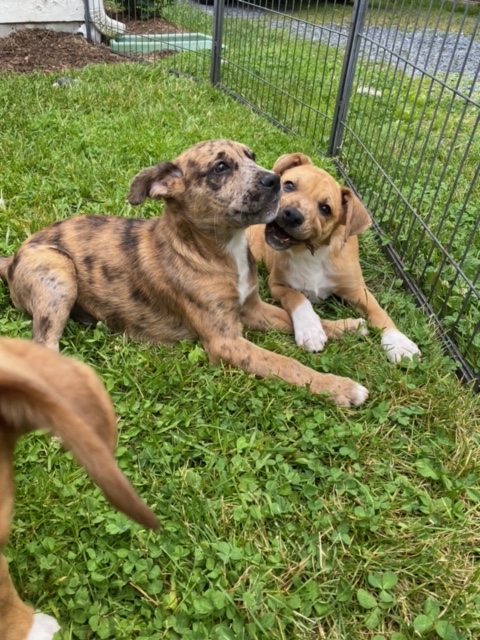
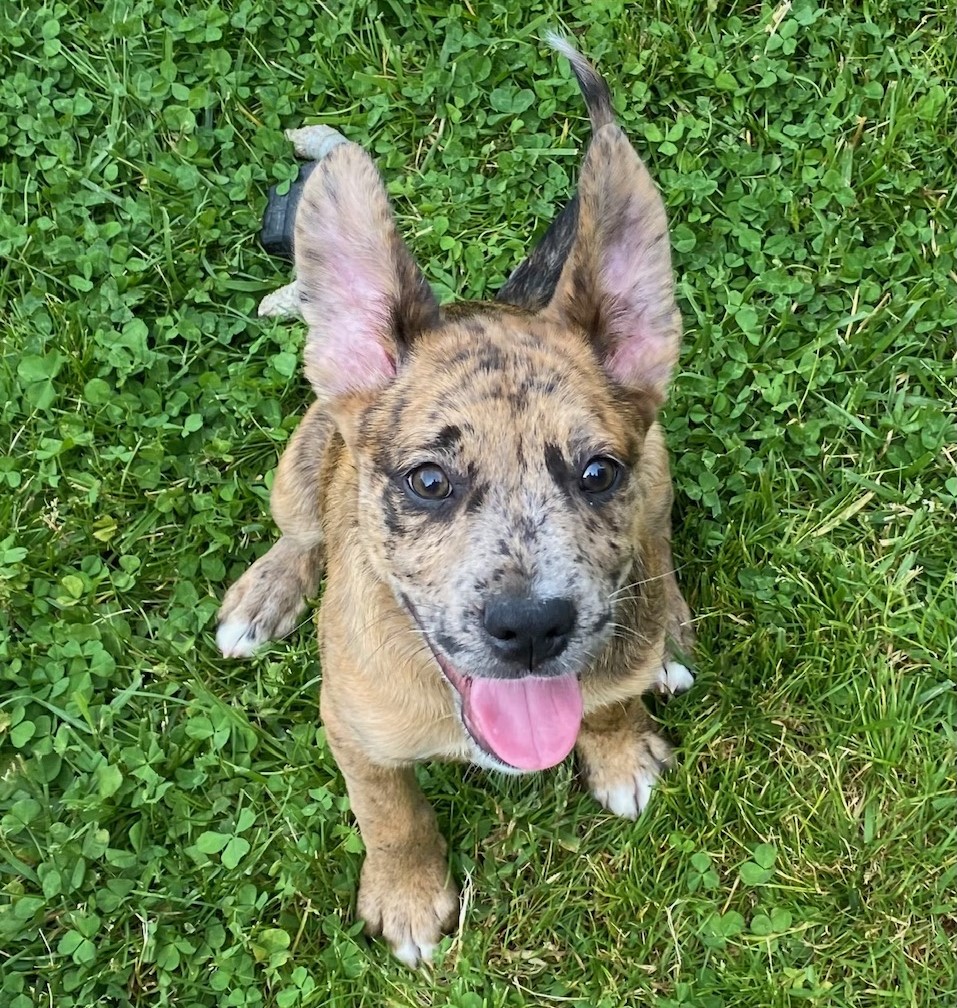
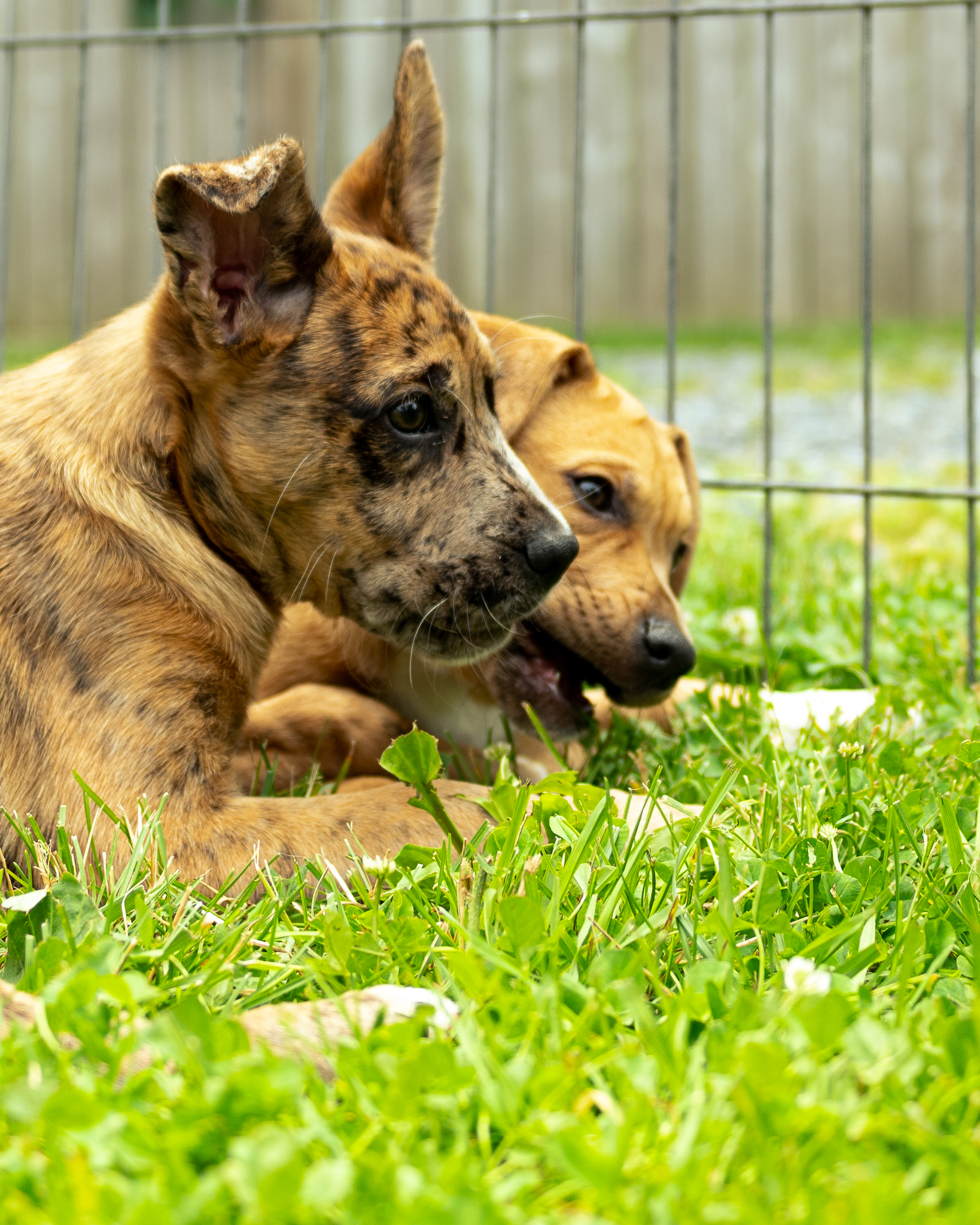
Nubby is persistent. He stays close to Bubby grabbing for the stick occasionally, but mostly just waiting for Bubby to get distracted (which he will). Then he grabs the stick, finds a quiet corner, and hunkers down to chew until one of the other puppies pounces again. He has great focus, and he loves to chew. His adopters will need to provide plenty of long-lasting chew toys to keep him happy.
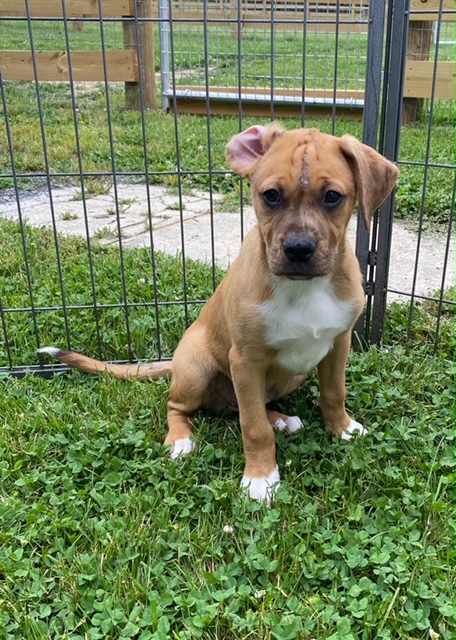
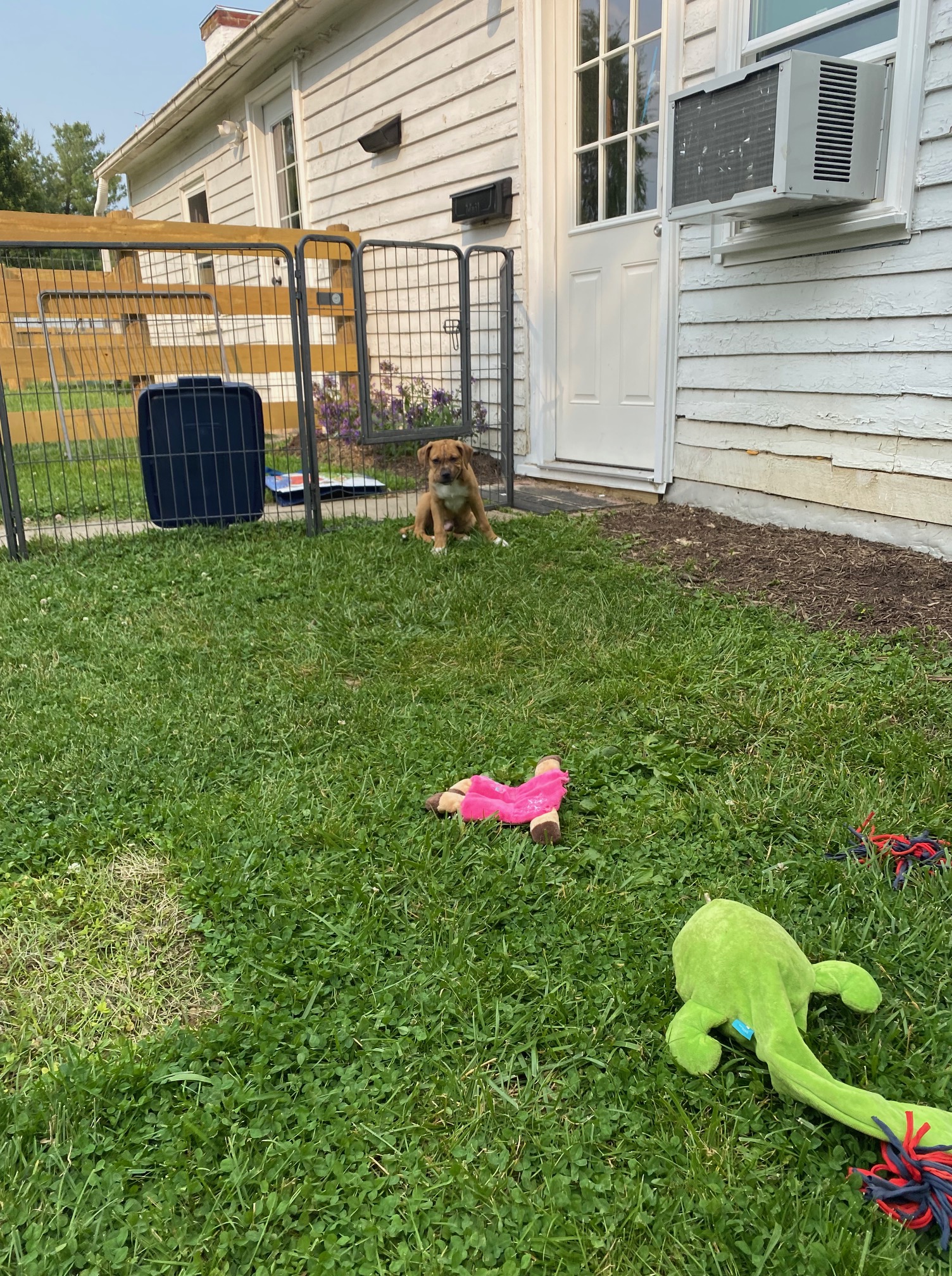
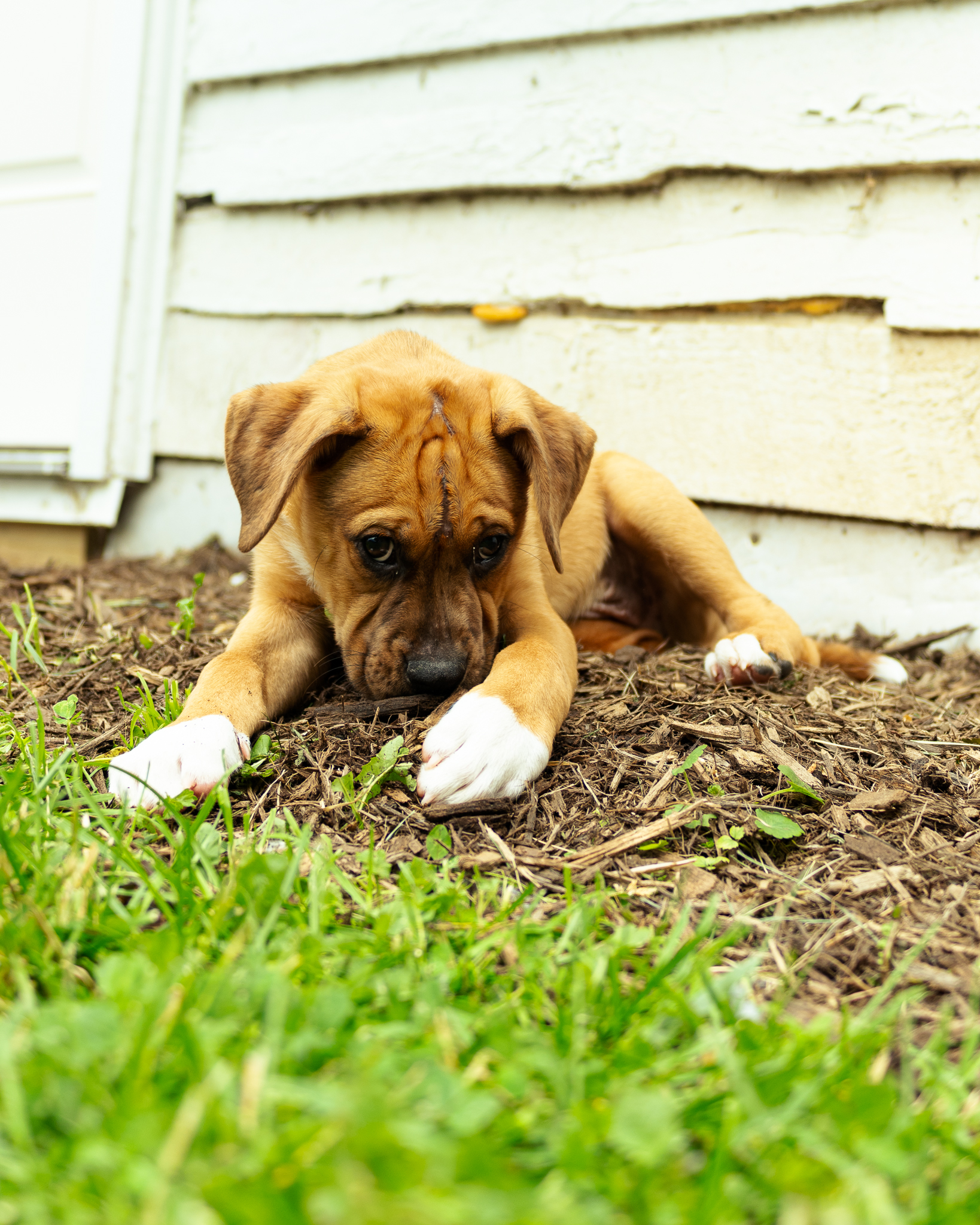
Having three puppies and two dogs to foster, plus my own three, definitely challenges my ability to keep everyone engaged and happy. I thought it came down to exercise, company, and chew toys, and for some of them, it does. But reading this book has me looking for more ways to engage with my dogs and fosters.
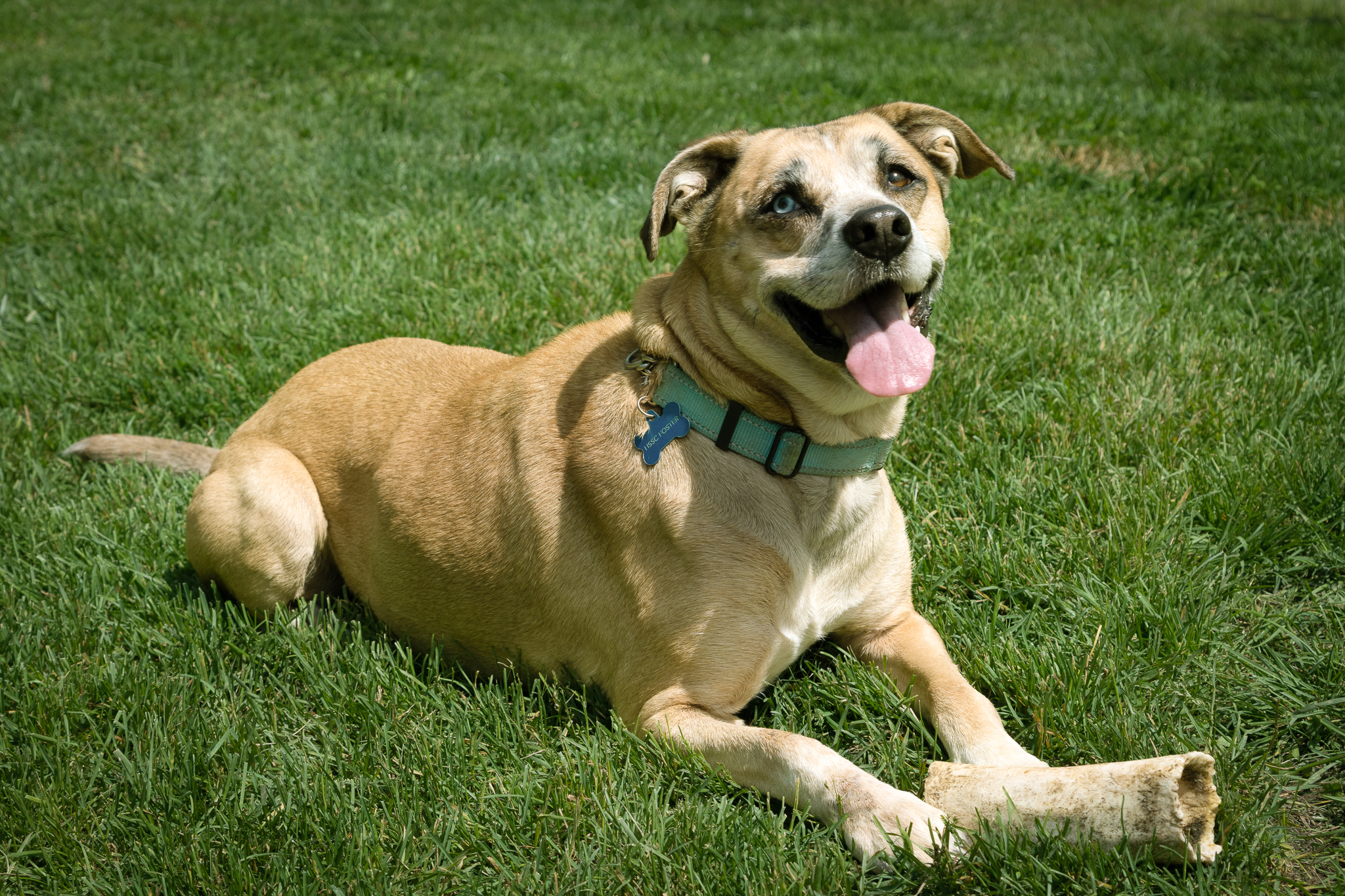
I know that while Marley is still quite a puller on the leash, she LOVES being able to go out and just sniff. She pulls out of excitement and the fact that no one has walked her very much in her life. Prior to being surrendered and becoming our foster, she spent her days indoors, often using a puppy pad in lieu of walks. Now I realize that her stress comes from not having access to grass and trees and SMELLS, so no matter how busy, I make time, even if it’s just five minutes to take her for a walk (on a front leading harness which has improved the experience) and allow her to stop and sniff as long as she likes.


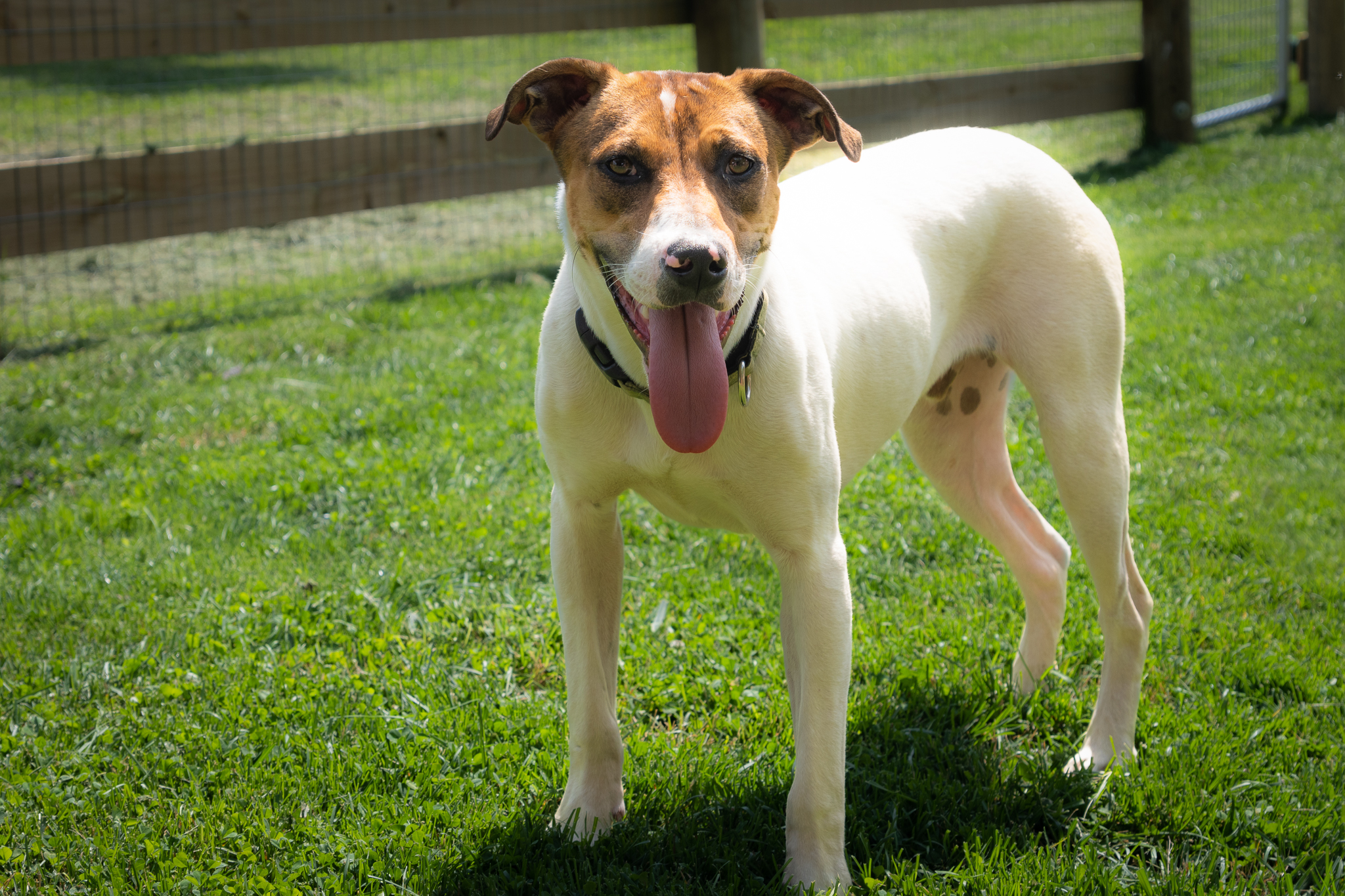
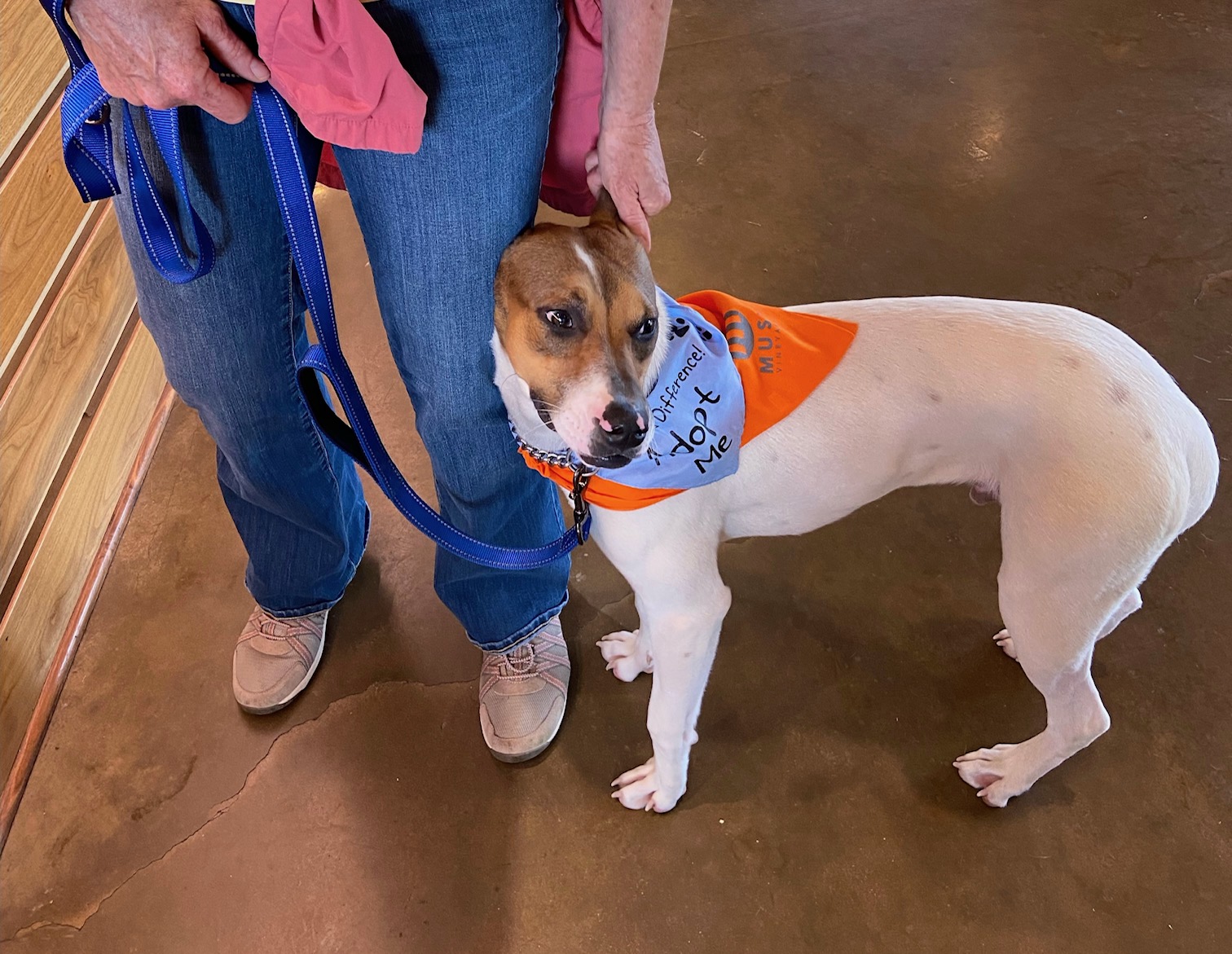
Argus has led a very sheltered, relatively unstable life for his first year. He’s worried about sudden movements, noises, new people, etc. So I’m working to give him a dependable schedule, and plenty of chew toys for his still-puppyness, but I’m also taking him out to have experiences that challenge him a little bit but are pretty much guaranteed to be a slam dunk – going for a ride in the car, walking with me on quiet roads, and even visiting a winery near closing time when there weren’t many people around. He’s still young and he needs to figure out that he can experience new stuff and enjoy it (I always bring a huge stash of treats along).

I won’t bore you with the long list of stuff I do with my own dogs, but it includes basic obedience, formal agility training, backyard homemade agility equipment, swimming, hiking, nosework, frisbee, puzzle toys, and lots of balls.
Our dogs are so much more than simply companions. They are complicated souls who need us to not just love them, but challenge, encourage, and play with them.
The book I’ve been reading is The Stress Factor in Dogs: Enhancing Resilience and Expanding Well-Being by Kristina Spaulding, Ph.D. (and also a trainer and behaviorist). While Kristina is decidedly a science nerd, she writes in a style that is accessible and informative, and for me, very inspiring. I think it’s a great book for anyone with a puppy, but it’s also a great book for anyone with a reactive dog (or any dog, quite frankly).
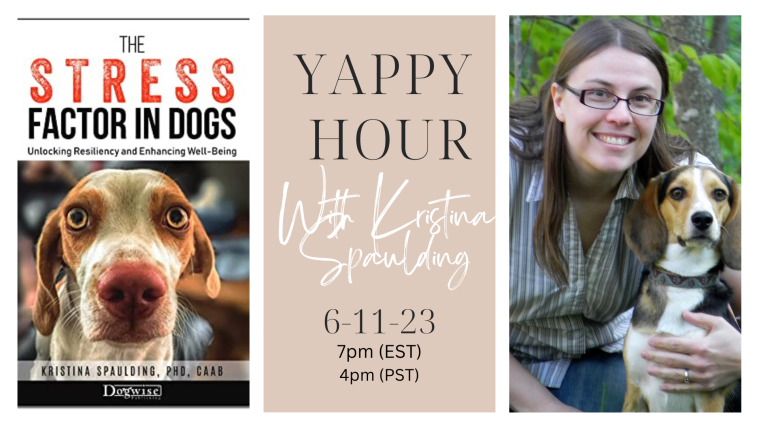
I initially read the book because I’ll be interviewing Kristina on Yappy Hour this Sunday night on the Dogs & Books page on Facebook. Here is the link to the event. If you don’t have Facebook (or if you prefer), you can watch via Zoom webinar (email me and I’ll send you the link). I co-host the Dogs & Books page with Teresa Rhyne (NYT best-selling author of The Dog Lived and So Did I). We chat with dog book authors about once a month on Yappy Hour, On Yappy Hour, viewers can ask our guest authors questions, comment, and have the chance to win a copy of the book. All month, Teresa and I (and occasionally other authors) post informative and sometimes just entertaining information about dogs and books and dog books. We enjoy engaging with other lovers of dogs, books, and dog books.
I’d love to have you join us on Sunday (or any month) for Yappy Hour. We’ve had a lot of great guests, you can scroll back through the page to watch Bruce Cameron, Paul Munier, Claire Cook, and lots of others, plus find some great book recommendations.
If you live in the Shenandoah Valley, you can come out this Saturday to meet me and any of my fosters, plus Rufus and Ladybug (remember them?) at an adoption event in Woodstock at the Farmers Market from 10am-12pm. I’m also hoping to find other people interested in fostering or volunteering out here in the Valley to create our own dog-hearted community.
Until Each One Has a Home,
Cara
For information on me, my writing, and books, visit CaraWrites.com.
If you’d like regular updates of all our foster dogs past and present, plus occasional dog care/training tips, and occasional foster cat updates (!) be sure to join the Facebook group, Another Good Dog.
And if you’d like to know where all these dogs come from and how you can help solve the crisis of too many unwanted dogs in our shelters, visit WhoWillLetTheDogsOut.org and subscribe to our blog where we share stories of our travels to shelters, rescues, and dog pounds.
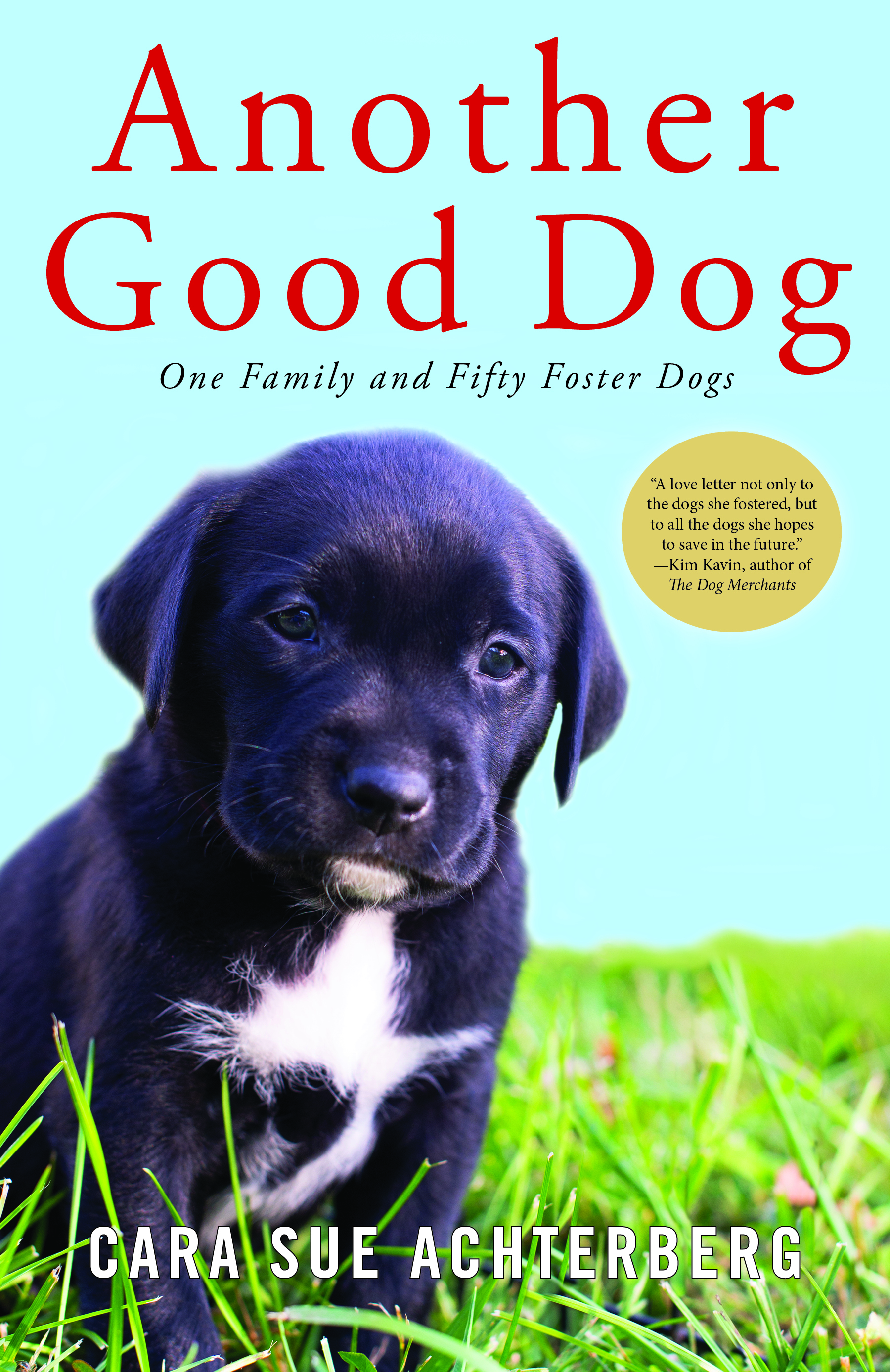
If you can’t get enough foster dog stories, check out my book: Another Good Dog: One Family and Fifty Foster Dogs . Or its follow-up that takes you to the shelters in the south One Hundred Dogs & Counting: One Woman, Ten Thousand Miles, and a Journey Into the Heart of Shelters and Rescues.

I love to hear from readers and dog-hearted people! Email me at carasueachterberg@gmail.com.
If you’d like to support the foster work we do (and save the rescue and me some money), shop our Amazon wishlist.

 Another Good Dog™
These pups are so fortunate to find someone willing to engage their minds as well as providing the basic necessities. They will no doubt likely make somebody a great canine companion because of it.
LikeLike
You are a great foster mom! And that book sounds great, I’ll have to check it out.
LikeLike