NOTE: This is a little different from my regular posts about fostering, but I hope you’ll read it. It may give you some insight into what is driving the number of dogs overwhelming our shelters. It will also introduce you to my next foster before he becomes my foster.
You wouldn’t think it would be hard to rescue a dog from a shelter that euthanizes 350 or more dogs a month. You’d think all I’d need to do is say, “I’ll save that one,” and they’d be, like, “Please take him.”
I met Jolly Jack ten days ago.
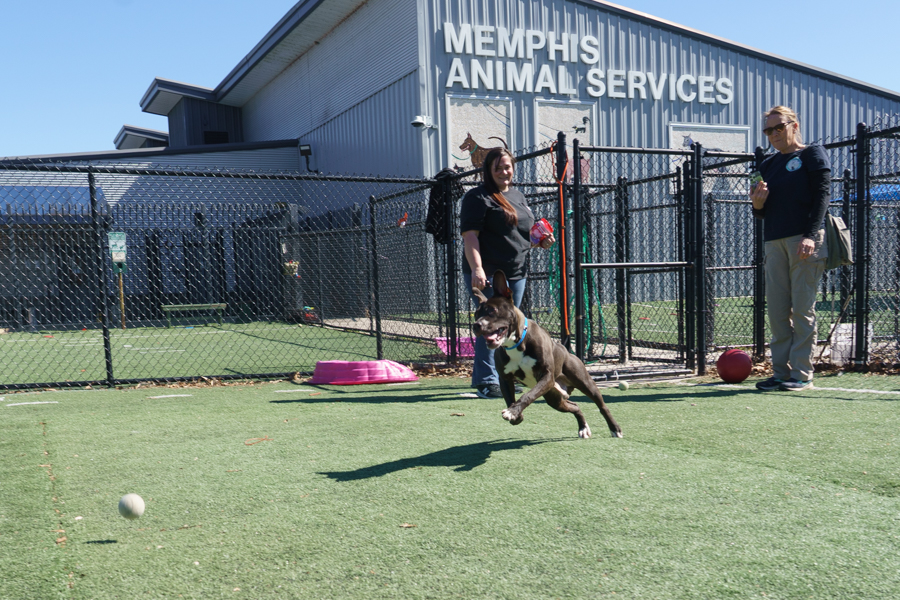
We were touring Memphis Animal Services. MAS is the only municipal shelter for all of Memphis, which is kind of insane if you think about it. It’s a big city – population of 620K (in 2023). I spent a day on its streets helping dozens of dogs in only a ten-block radius and I was lost. Having only one shelter to serve a population that size is unrealistic at best and dangerous at worst.
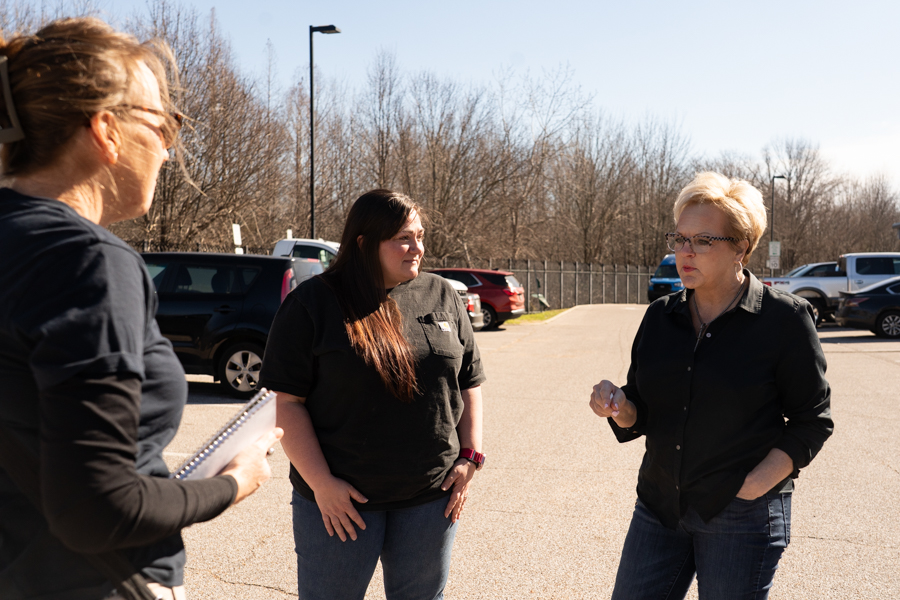
But back to MAS. We went there at the behest of a rescuer, Tori, who is, in all honesty, leaning hard toward the crazy. But if you met this woman you would think, “professional, attractive, smart,” you would not think this is a woman who spends her off hours desperately picking at any potential thread that might lead to saving a dog.
In her real job, which, honestly, I don’t know how she has time for, Tori is a Molecular Diagnostic Specialist working in genetic diagnostics. She met us at the shelter, and in the first ten minutes with her, she said in passing, “I’ve got syphilis in my car.”
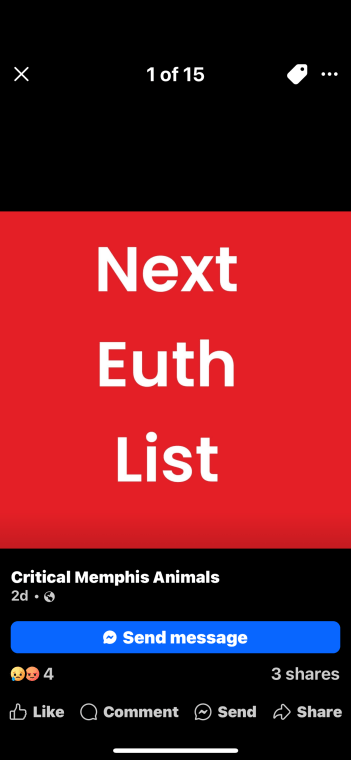
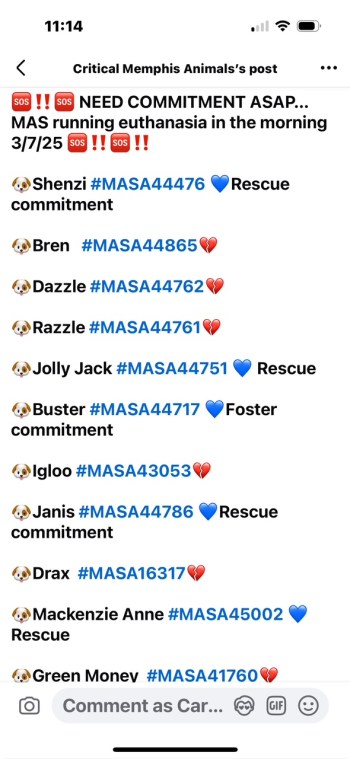
I’ve followed Tori from a distance as she’s shared the horrifying posts of Critical Memphis Animals Facebook feed which share pictures and information about the dogs scheduled to be euthanized each week at MAS. (if you want to have your heart truly broken, follow that page).
At this moment in history, MAS had no director and is reeling from the fallout after several years of practicing managed intake and community sheltering. Specifically, they were following the programs and policies recommended to them by Best Friends Animal Society and HASS (Human Animal Support Services). In the name of creating the illusion of ‘saving them all’, these organizations and others have pushed shelters all over the country to manipulate their save rate by managing their intake and utilizing community sheltering.
Many of these practices put the onus for saving the animals on the people in the community rather than the people trained and dedicated to doing so. In theory, it sounds great; in reality, it is a disaster.
Managing your intake basically means deciding which dogs to take in and which to turn away. If someone wants to surrender their animals, the shelter may refuse to take the animal. Some shelters will refuse to take the animal for other reasons – size, breed, medical condition, age, behavior, or because they are full. Often, when the shelter is full, they will ‘close to intake’ which means animals can’t be brought in for any reason, and in some cases, ACOs will not even pick up strays.
Community sheltering means that if someone brings in a stray, they are asked to shelter the animal at their home and look for the owner, or if they can’t, to put it back where they found it. People wanting to surrender their animals are told to use websites like Home to Home to rehome their pet themselves.
Here’s the thing – If you only take in adoptable dogs, it’s pretty damn easy to be a ‘no-kill shelter.’ For the last few years, as more and more shelters have gone to managed intake, the numbers looked pretty good. Intakes were down and so was Euthanasia.
See the illusion? If you turn people away and suggest they ‘community shelter’ the animal they found, your intake stays low. If you refuse to take in cats because they are ‘self-sufficient’ on their own, your cat room doesn’t get overwhelmed. And if you only take in as many animals as you have room for, you don’t have to euthanize animals. Instead you warehouse animals.
This looks great on paper—Intake is down! Euthanasia is down! The plan is working.
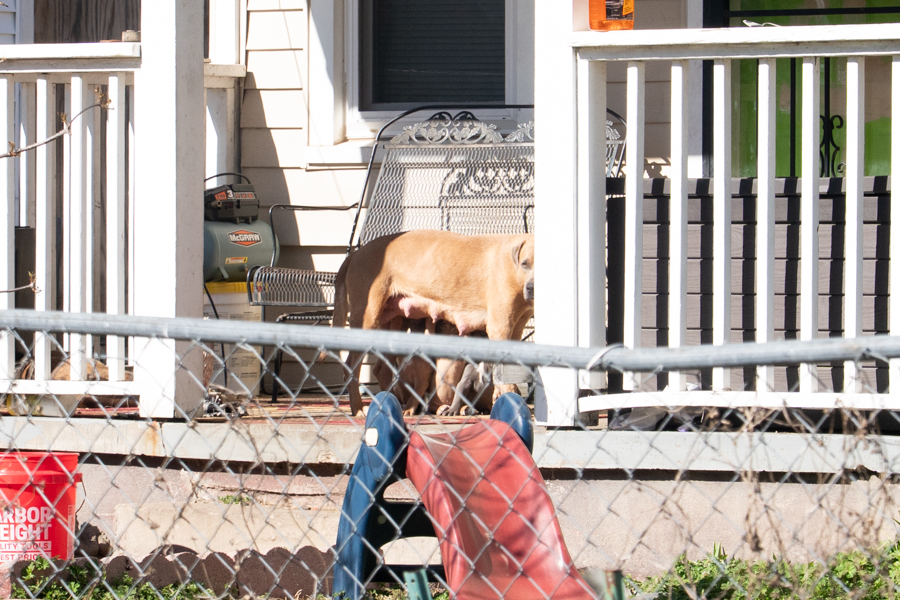
The result in Memphis is that the streets are brimming with strays as the shelter turned away dog after dog after dog. To make what they were doing legal, the ordinance for the Animal Control Officers was changed.
Originally it read: Any dog which is in violation of any section of this subchapter, shall be seized and impounded by County Animal Control or any police officer of the city or any authorized city employee.
It was changed to read: Any dog which is in violation of any section of this subchapter, may be seized and impounded by County Animal Control or any police officer of the city or any authorized city employee.
Seems like a tiny change. Shall became may. But in that tiny change is the root of the crisis plaguing Memphis.
With this new dictate, ACOs in Memphis did not have to take any loose dogs. It was up to them. If it seemed hard, complicated, difficult, it was just as easy to leave the dog/s where they found them as to impound them and bring them to MAS.
So numbers in the shelter settled down. MAS was no longer the ‘high kill’ shelter everyone assumed they were. They were saving nearly every animal they took in. Meanwhile, dogs were left on the street to multiply.
And now, two years later, after the numbers have swelled and stray dogs have packed up and become dangerous and everyone is complaining about the number of animals on the street, MAS leadership is trying to reverse course, rejecting ‘managed intake’ practices and going back to where they started – trying to serve its citizens by taking in the stray, unwanted dogs.
After a controversy at the shelter, the newest director was fired, and since then, an interim director has been in charge. She is a kind woman who does care. Her background is in housing and she once headed Habitat for Humanity in the city. She has an expansive heart. And, honestly, having met her, I think she wants what is best for the city, its people, and its animals. But with no sheltering background, she can only do the best she knows.
There is a leadership vacuum in Memphis. Add to that a staffing shortage and a population of dogs swollen by the number of unspayed and unneutered strays on the streets and we are at a crisis point.
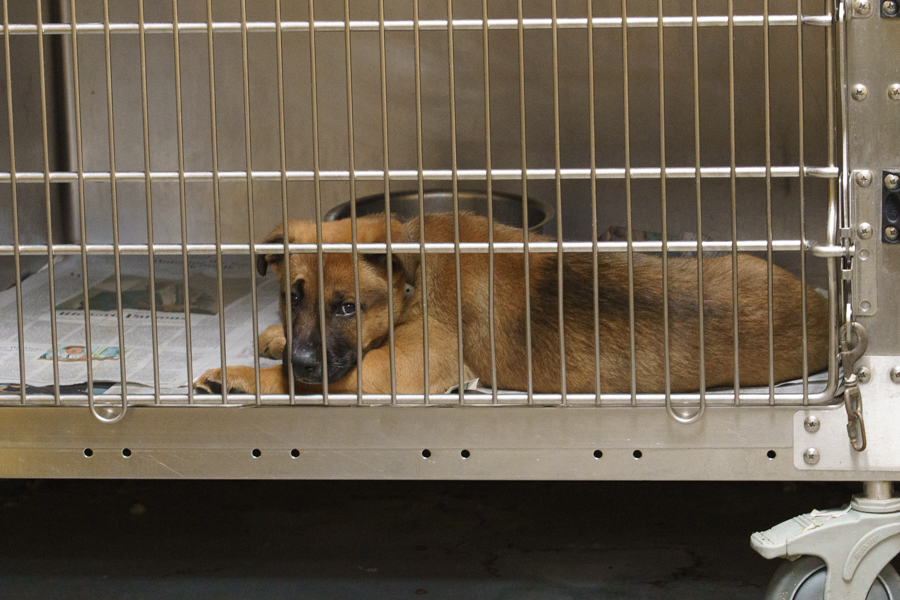
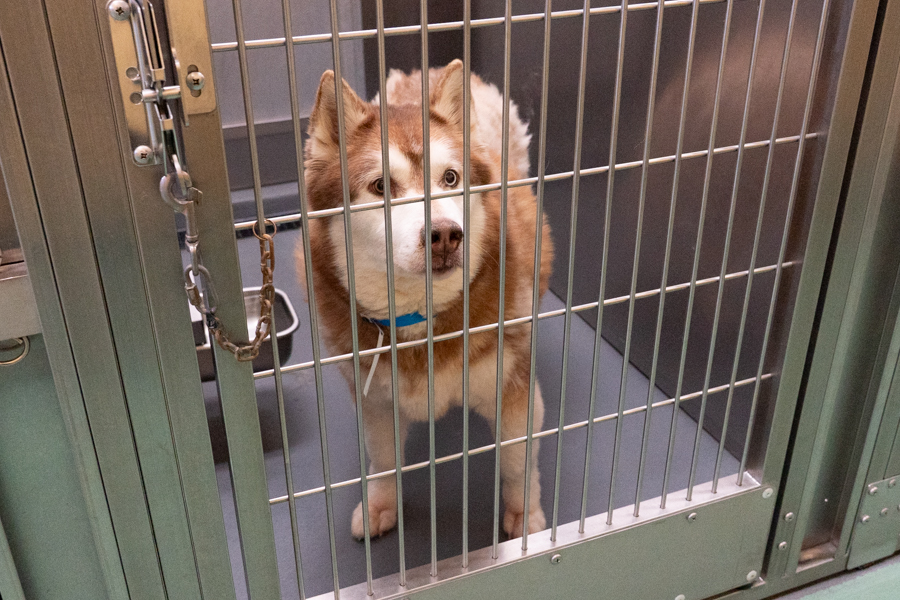
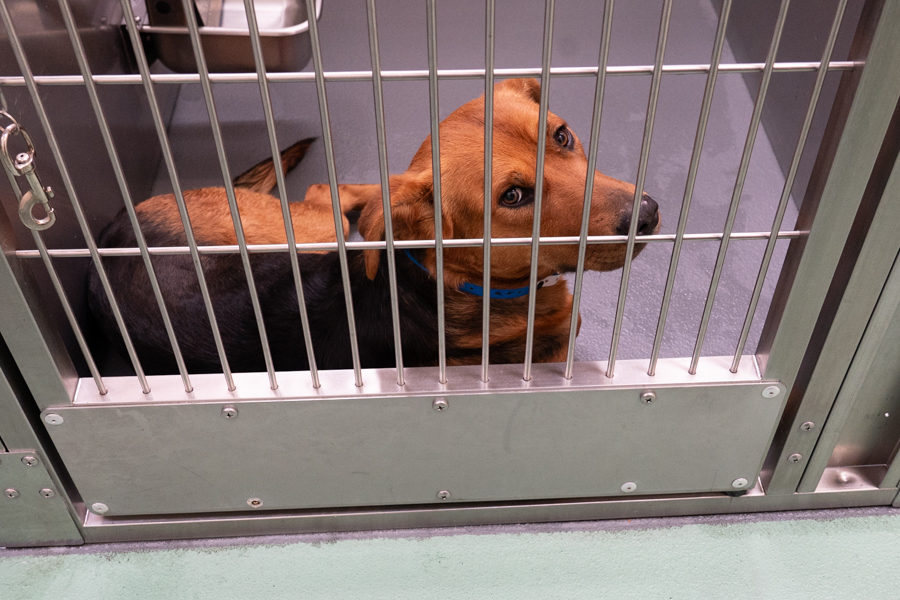
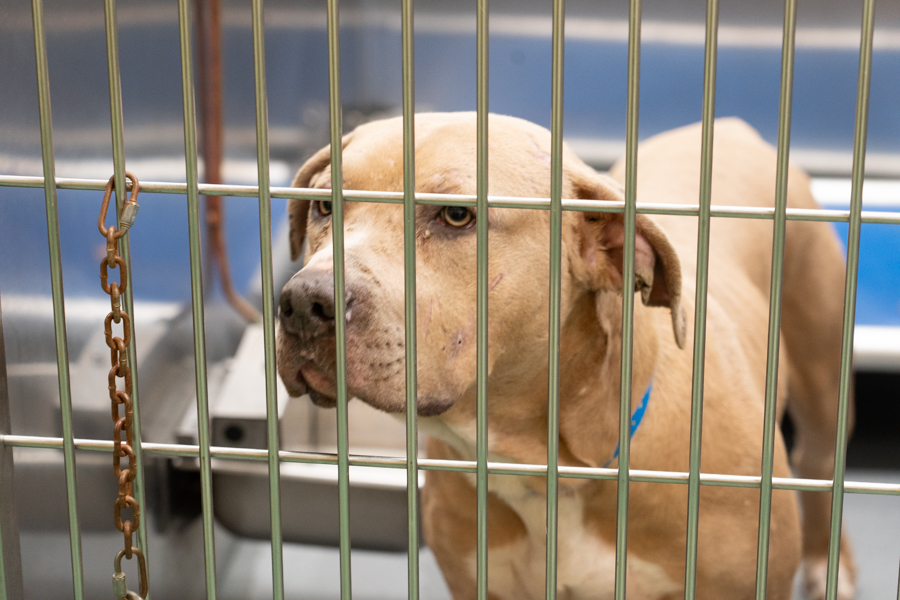
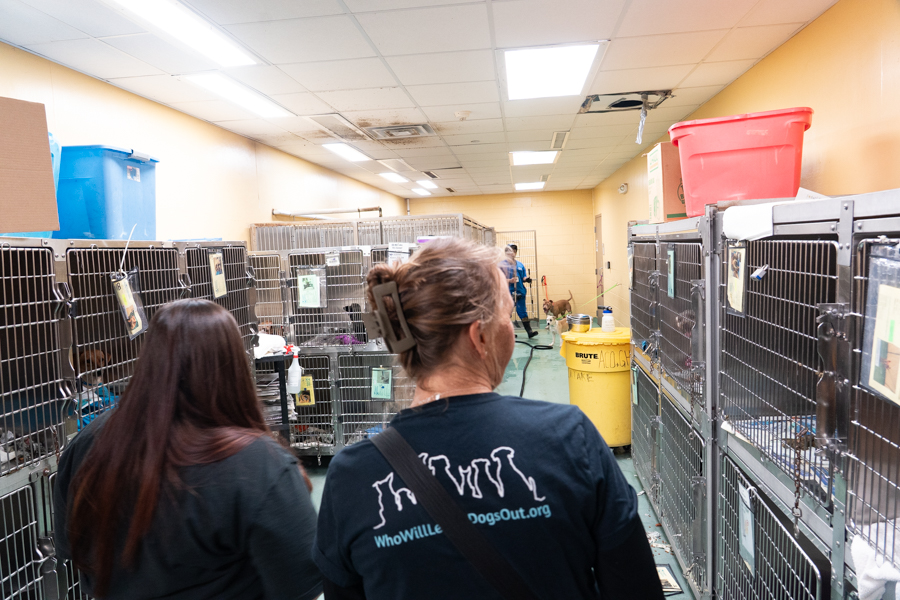
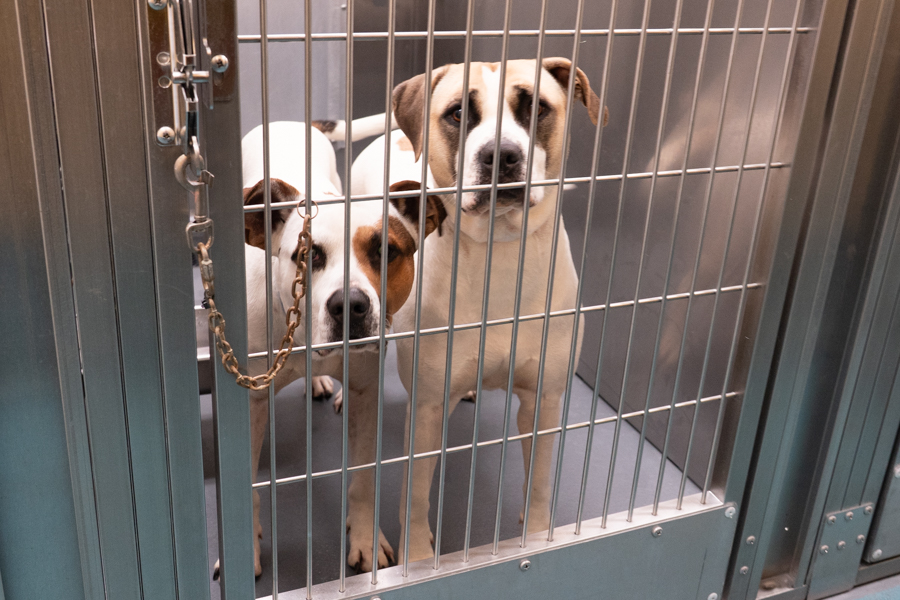
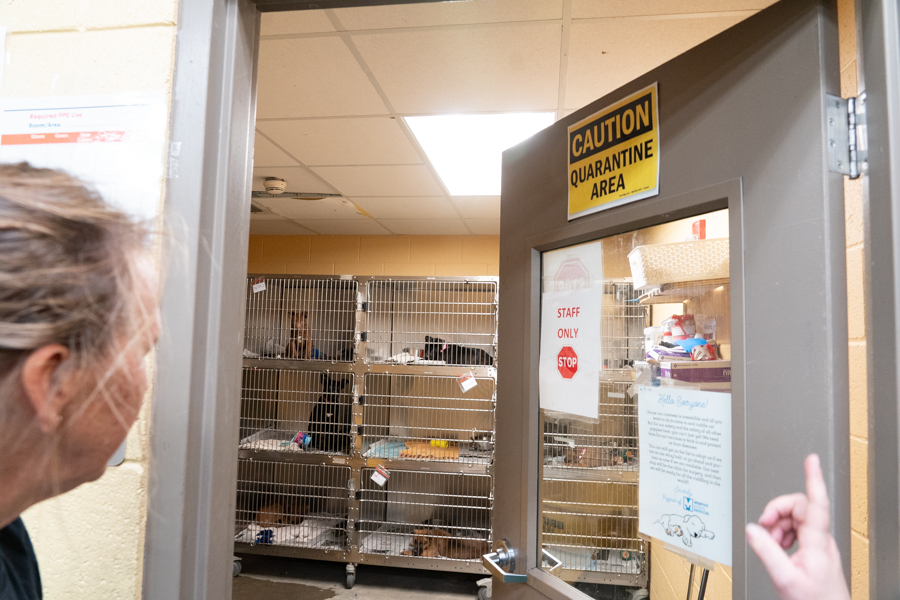
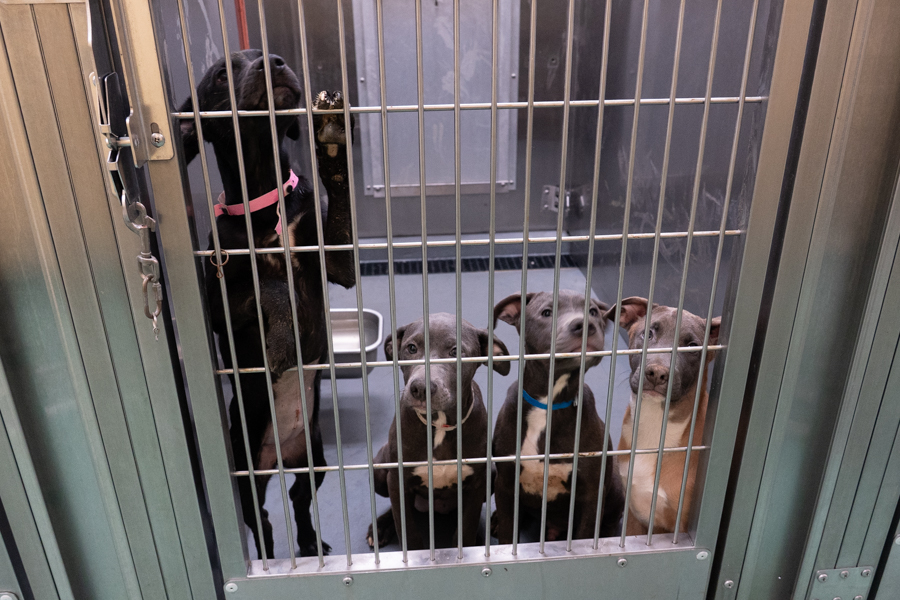
When we visited MAS, they had 330 dogs in the shelter. The shelter was built to house 150. Each week they euthanize about 100 dogs because they have to make room for the dogs coming in.
Enter Nancy and I with our good words, best intentions, and Nancy’s photography skills. We walked through the shelter on a tour led by Jessie, the volunteer coordinator, but the one person who responded to us. She wants to see good outcomes for these dogs. Despite the apathy and overwhelm surrounding her, she is working to save as many as she can.
We were also accompanied by Tori, and for part of the time, the Interim Director. We toured the shelter and met dogs, who all had about 2 weeks to find an adopter or rescue. After that, they would work their way onto the euthanasia list. In the month before our visit, the shelter took in 1150 animals and euthanized 398. So one in every three animals we met would be euthanized.
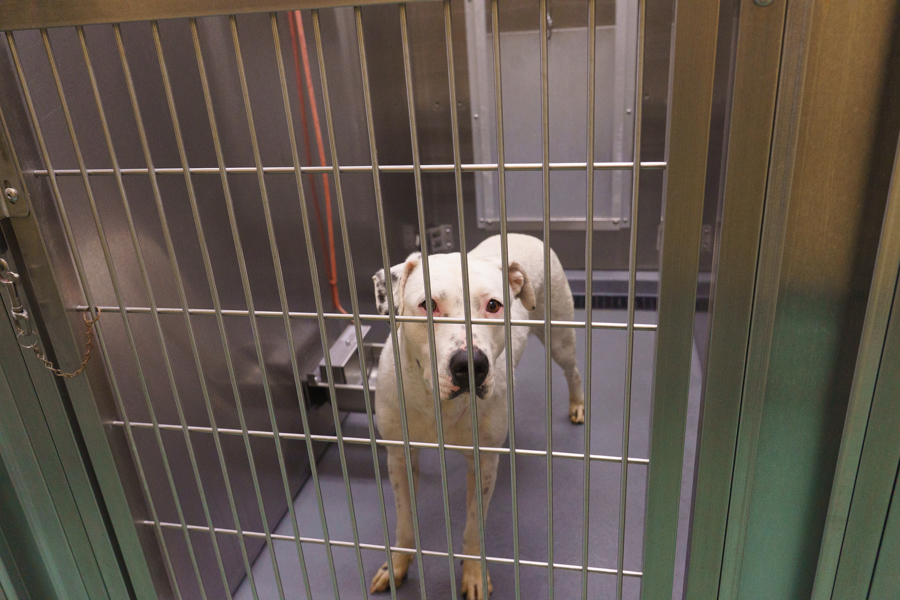
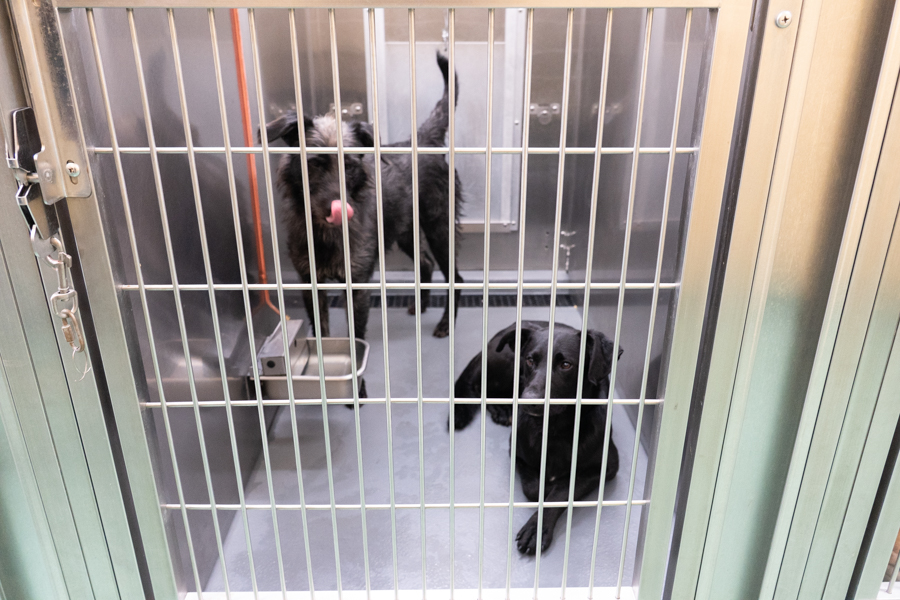
Dogs were doubled up. Guillotine doors were shut to make more space and any animal giving them an excuse to be euthanized was euthanized. Dogs who were difficult to handle, reactive, aggressive, any dog who the intake nurse couldn’t vaccinate without help, was euthanized immediately.
After our tour, Nancy and I asked Jessie to bring out the dogs who were housed in the court hold kennels. Our thinking was that the dogs who had been placed in kennels in this area were the most likely to be euthanized. The public is not allowed to look at the dogs in the court hold area for legal reasons. So the strays placed back there would also not be allowed to be viewed. Their only chance at getting out of MAS alive was for someone to select them from the 700 other animals posted online (includes the 350 in foster care). Unlikely.
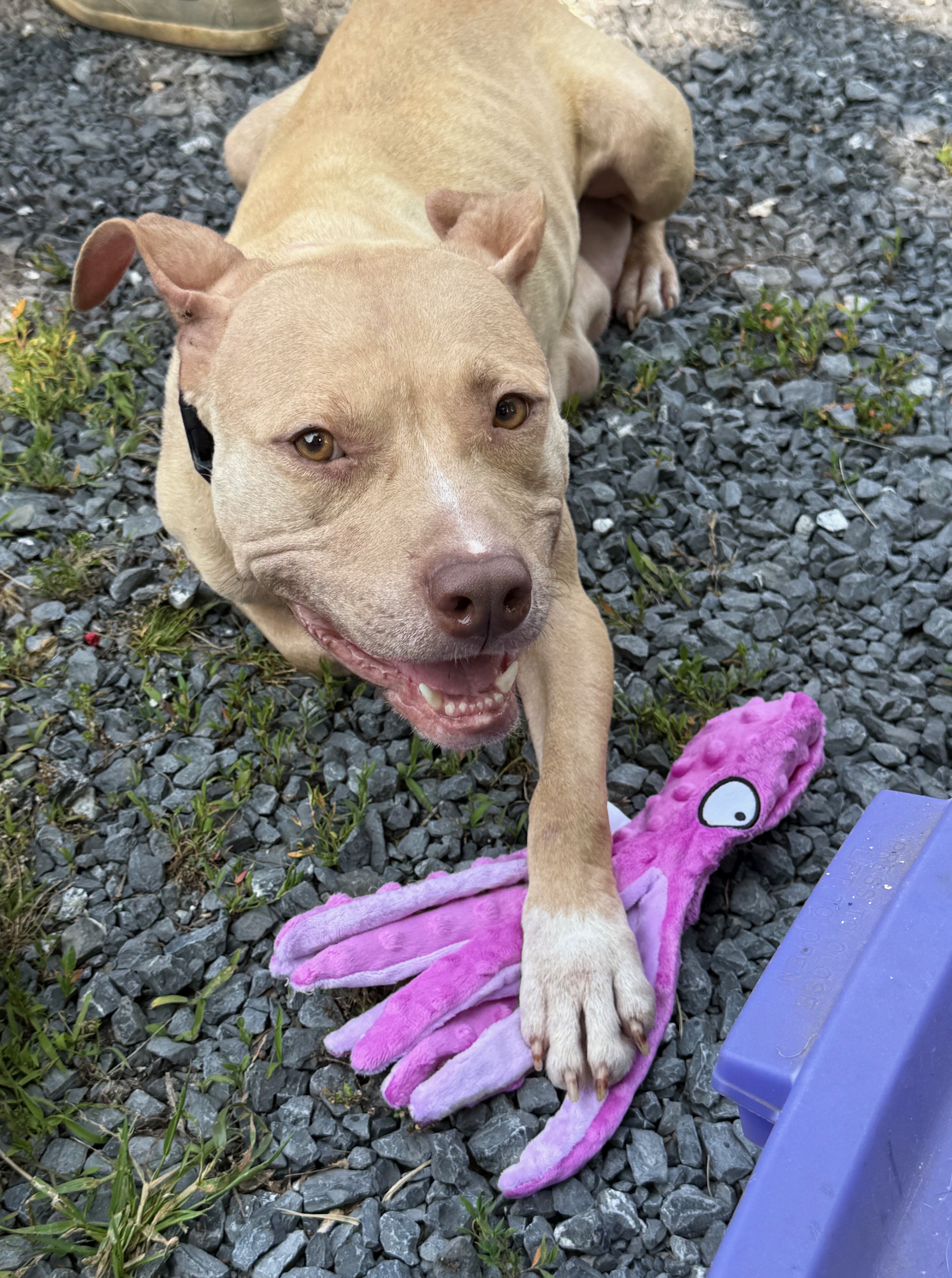
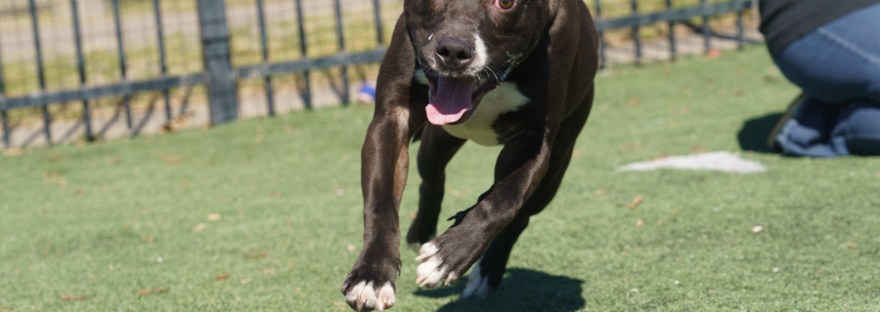
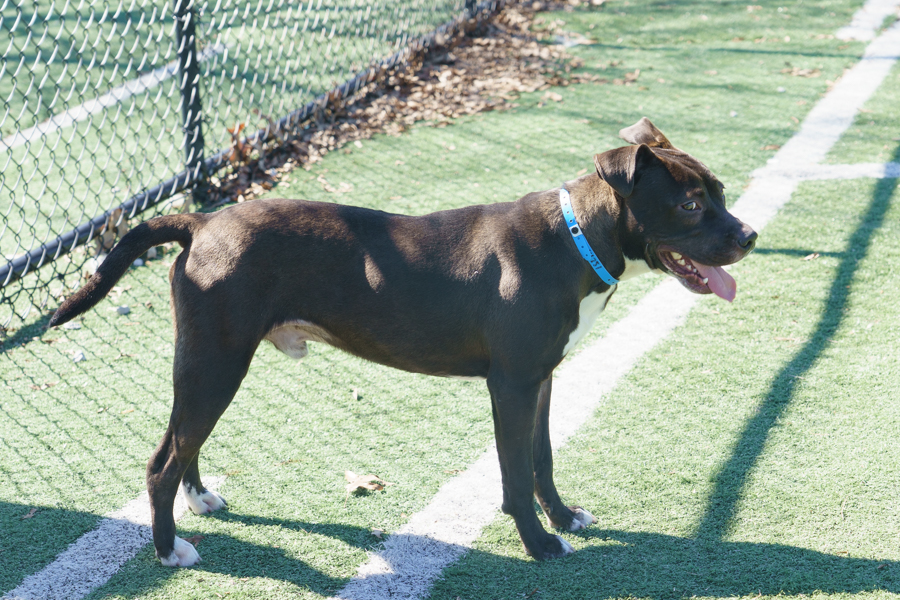
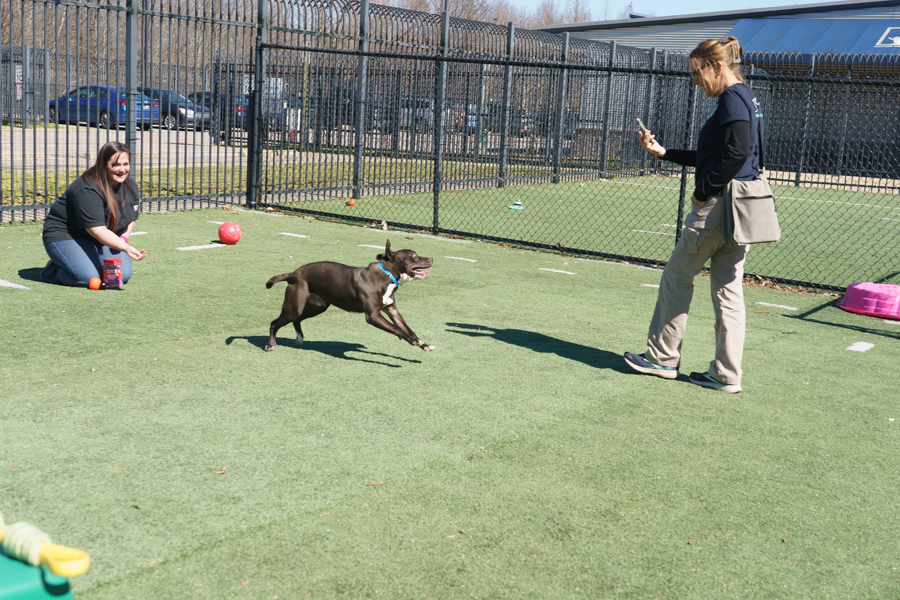
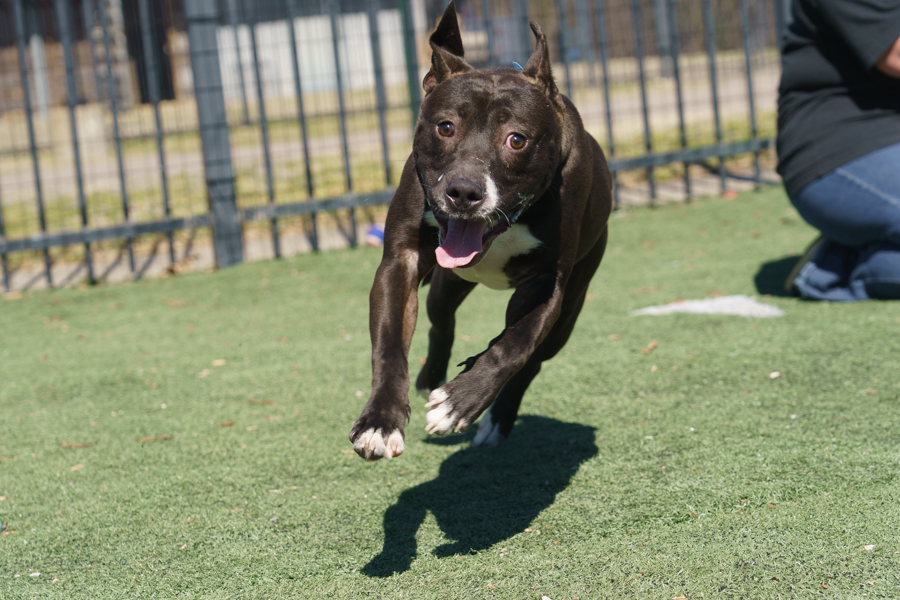
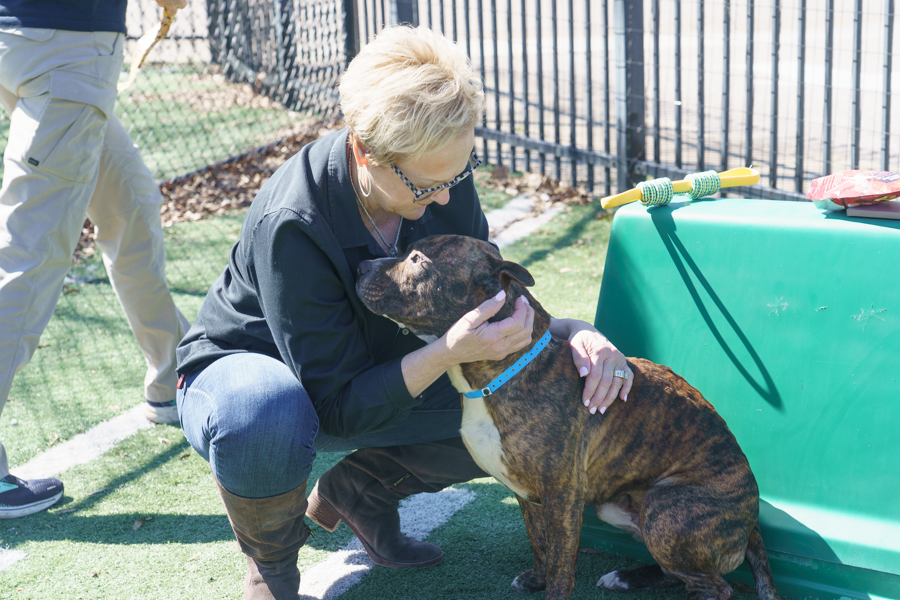
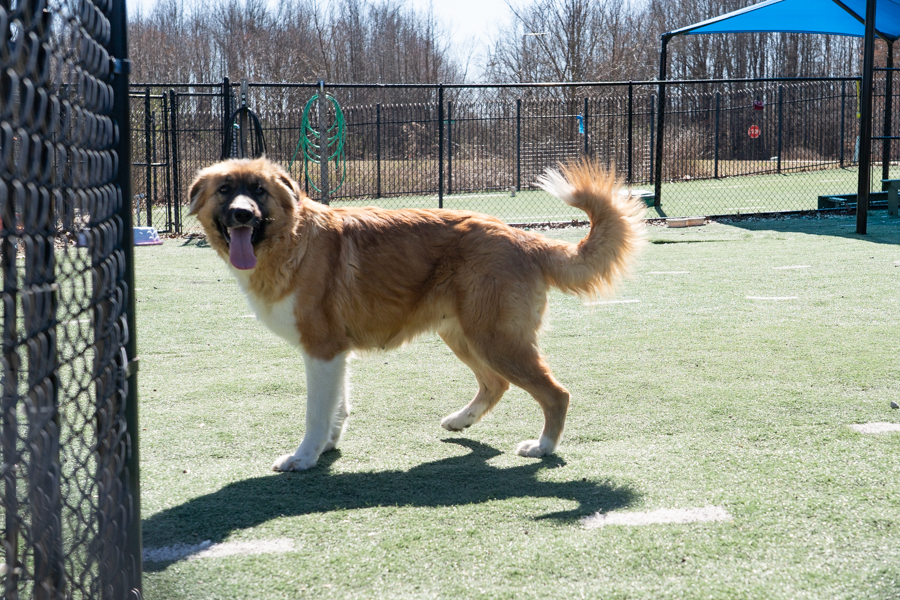
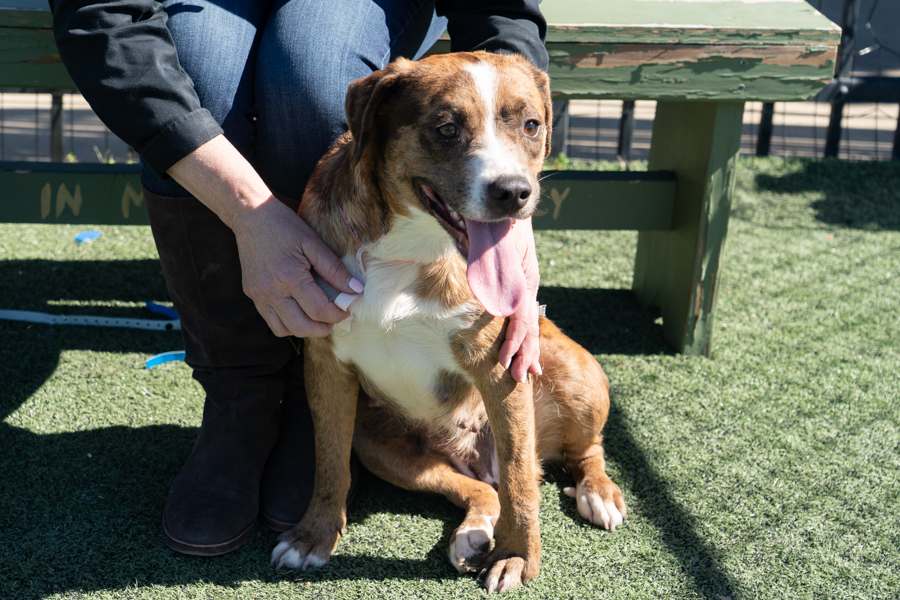
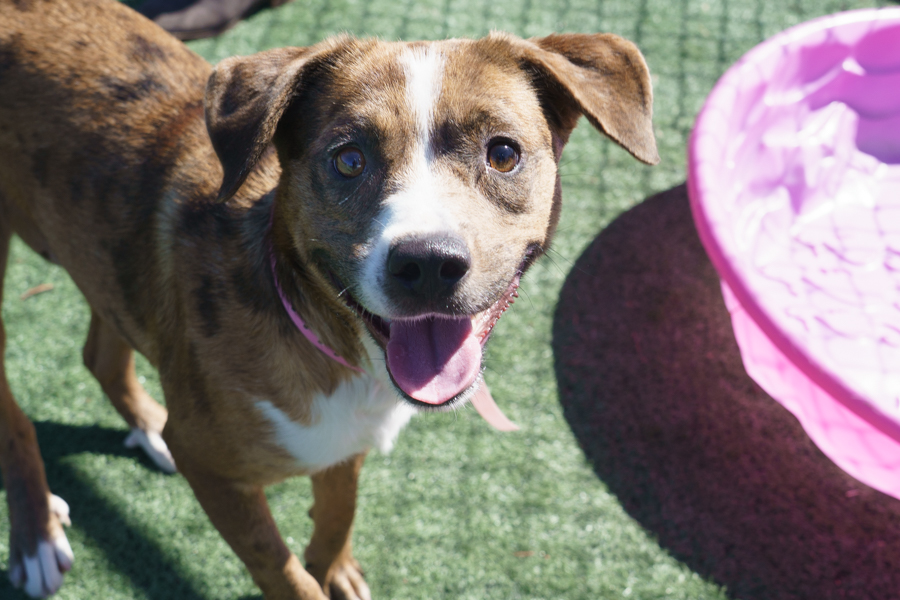
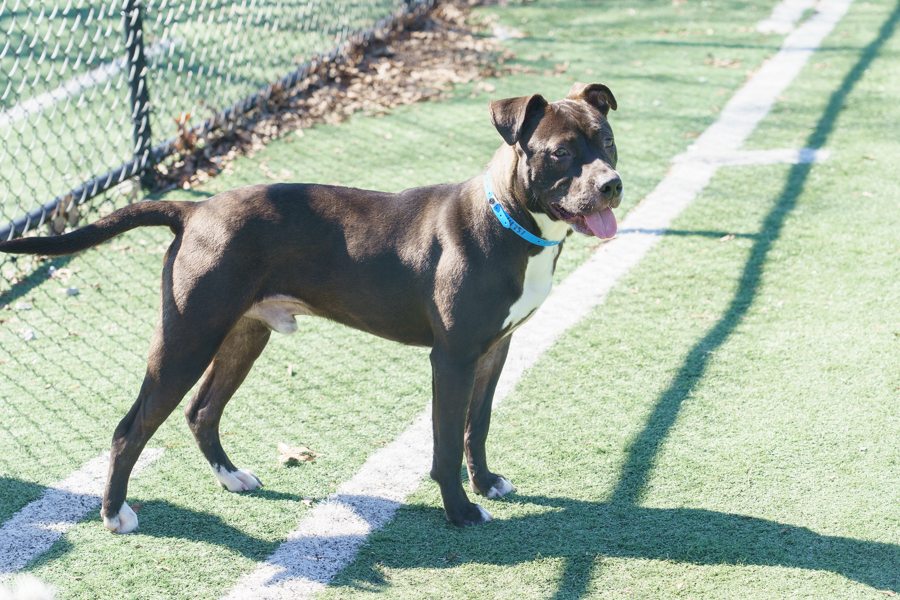
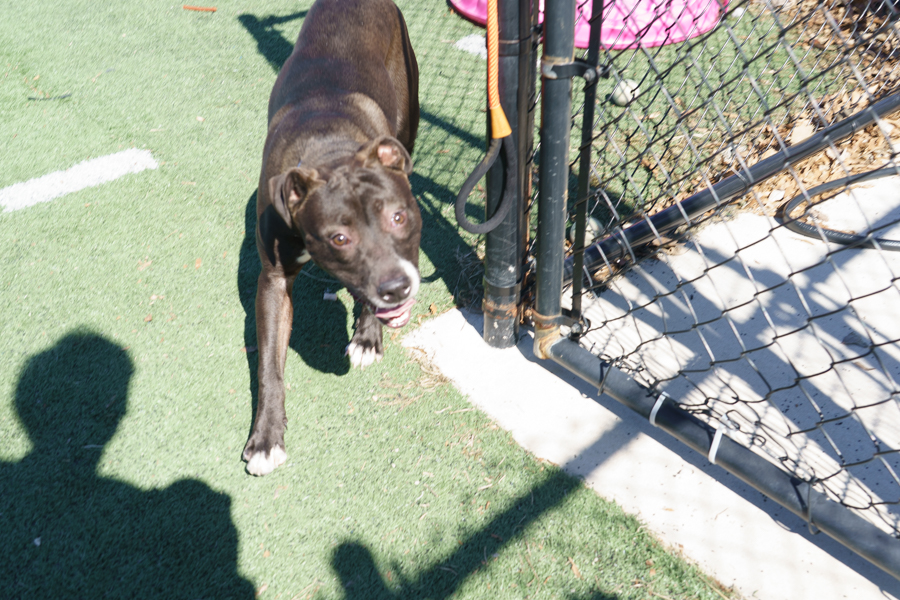
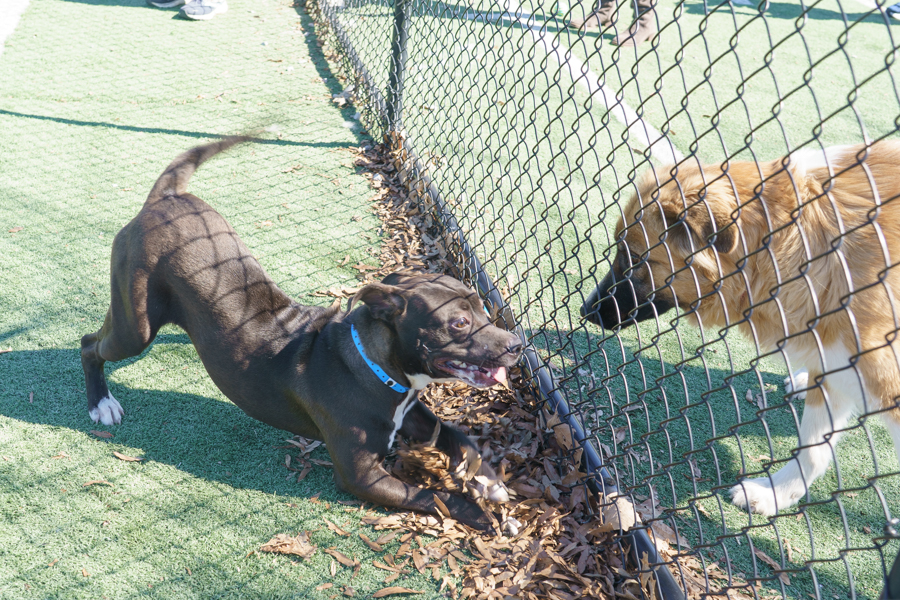
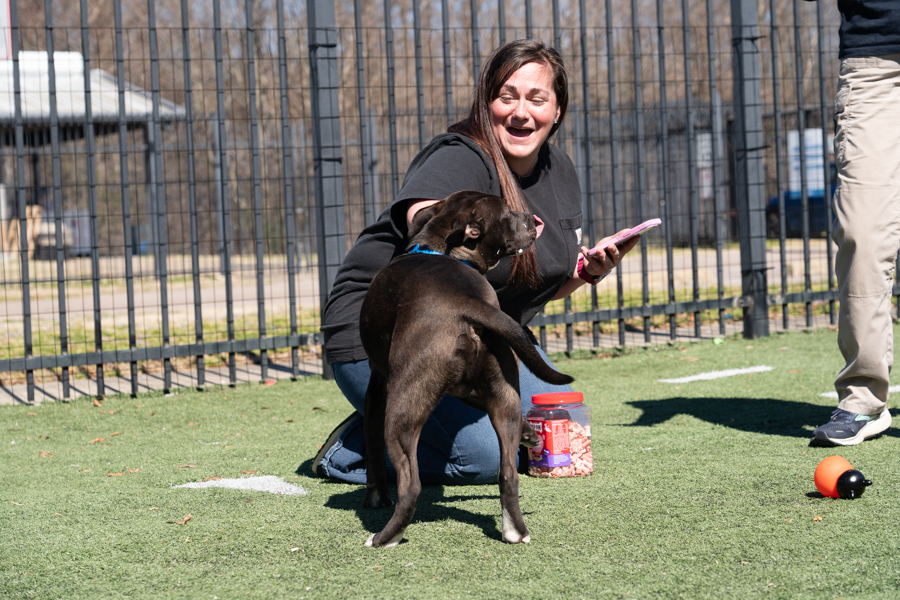
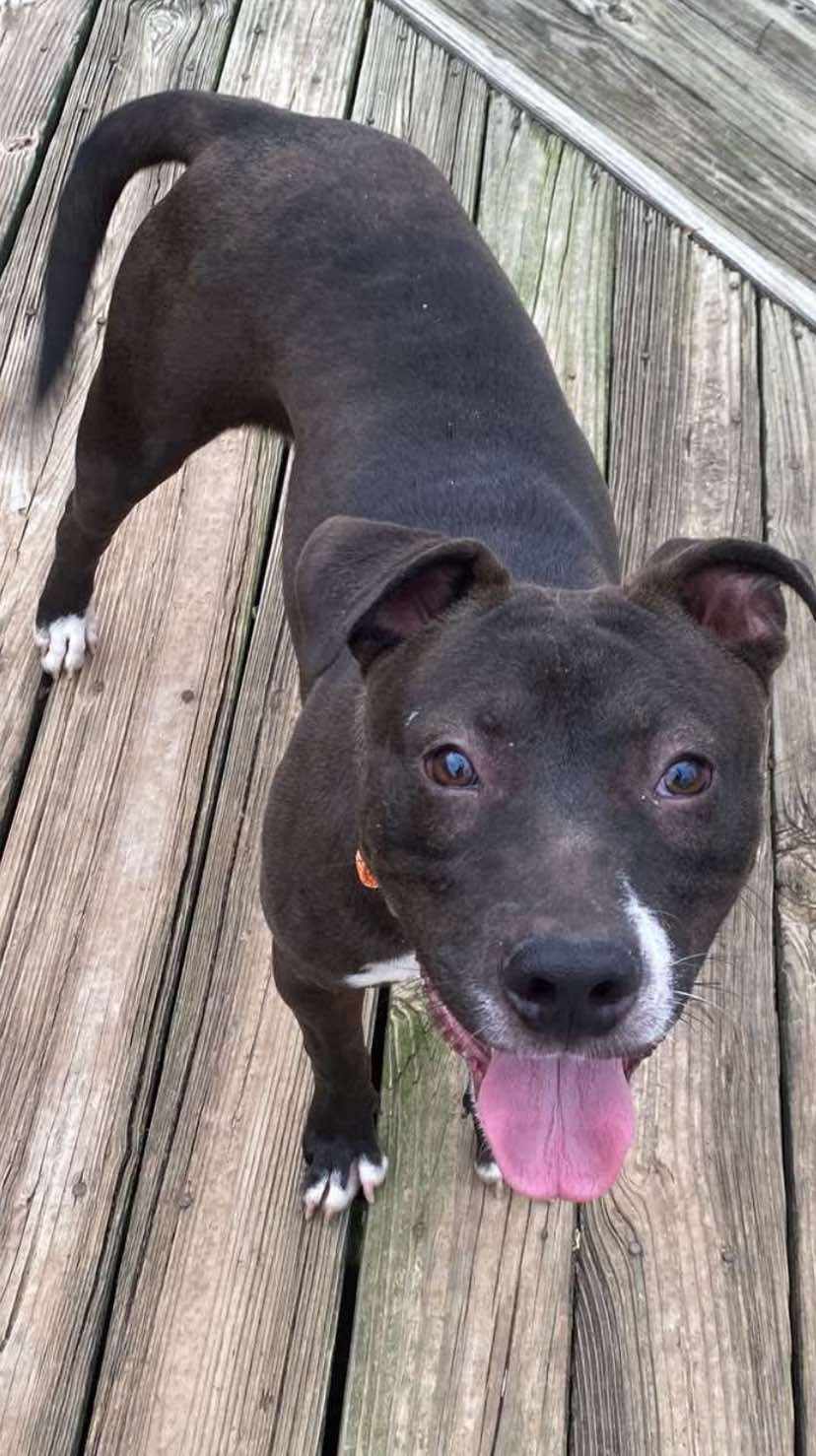
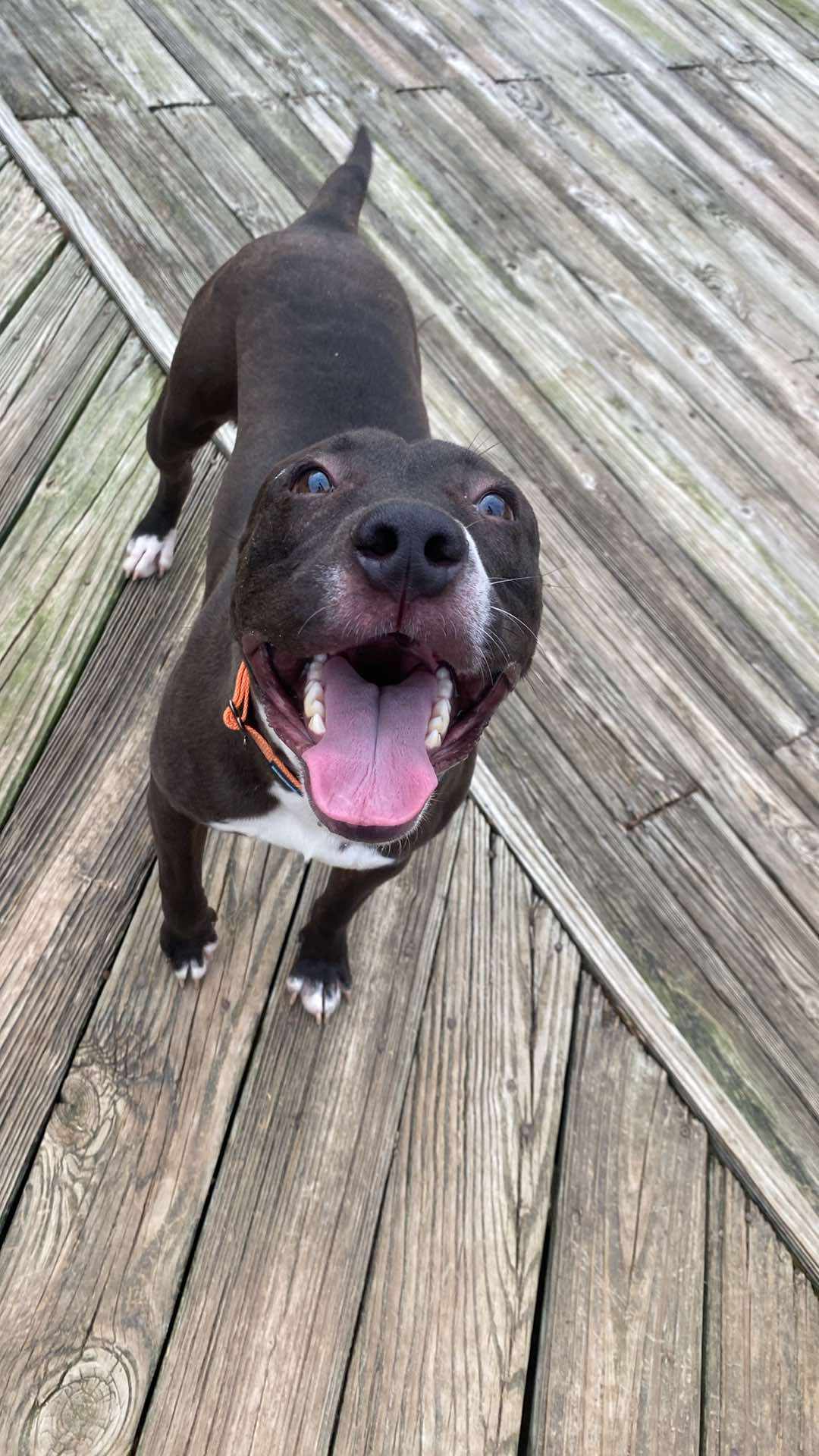
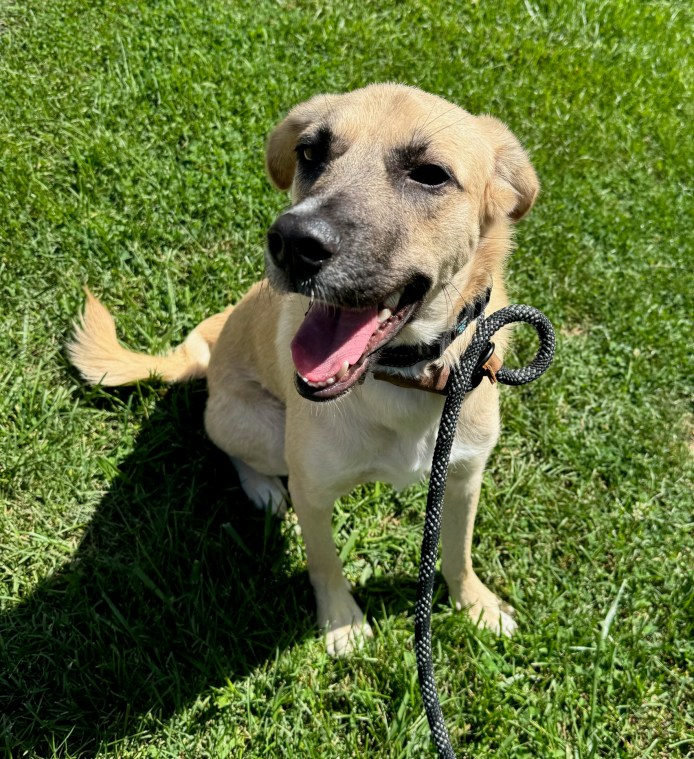
Nancy snapped pictures and I played with the dogs. One of the dogs we met was Jolly Jack. He is just a year old and about 40 pounds. He lived up to his name with much exuberance, happily playing with us and play-bowing every dog who passed by. His entire being was joyful.
All of the dogs we met that day stayed on my heart as we spent time on the streets of Memphis seeing for ourselves the number of loose dogs, and as we left Tennessee and traveled up and down Georgia visiting shelters. Nancy kept scanning the Critical Memphis Animals page, watching as some of the dogs we met appeared on the page, and a handful of them found rescue.
And then on Thursday, Jolly Jack’s name appeared.
Maybe it was the week of seeing so many dogs I couldn’t help and meeting heroes giving so much, but I felt compelled to do something. That joyful young pup could not die just because he landed in a shelter devastated by practices put in place to manipulate numbers instead of saving dogs. MAS is in desperate need of leadership and a path forward from the self-created disaster they are living. So many dogs are losing their lives, dogs we met and spent time with, and Jolly Jack’s name on the list was a last straw for me.
I reached out to several rescues asking if they could pull Jack for me to foster. The one that said YES unequivocally and immediately was X-Port Paws. You can read a little about this incredible little rescue in a post I wrote a few years ago.
Michelle immediately applied to be a Pet Placement Partner and requested a provisional pull to get Jolly Jack. We were told that he had to be out of the building the same day Michelle requested. Tori and her bunch of equally passionate (and maybe crazy) advocates jumped into action, finding someone to go pick Jack up and someone to board him, while they figured out transport.
Tori and the others working with her are the real heroes. If not for them, the numbers at MAS would be FAR WORSE. It is hard for me to comprehend why the shelter policies make it so very difficult for rescues to help. Requiring that they pull with no medical records and get the dog out of the building within hours of pulling makes it extremely hard for any rescue not located in Memphis.
The Rescue Coordinator at MAS told me they have 400 rescues approved to pull dogs. I don’t understand why those 400 aren’t being begged to help the shelter get its population under control. And why everyone isn’t bending over backwards to make it possible for the rescues to help.
The people behind Critical Memphis Animals and the others like Tori and her band of heroes are too often the only way dogs like Jolly Jack can get out alive. This is not the way a shelter should function.
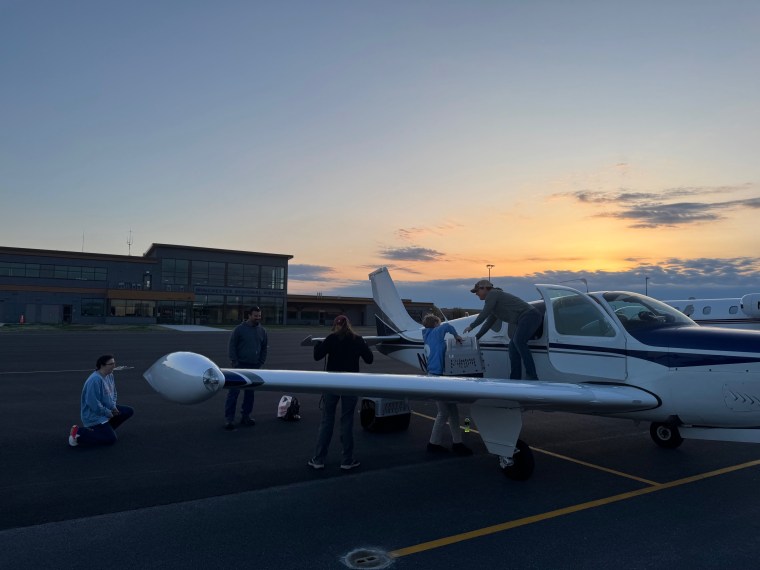
I am happy that Jack is out and grateful to everyone who helped make him safe. The woman who is boarding him says “Jolly is a keeper!!! He has an amazing temperament. Very happy dog.” Jolly Jack is safe. And now we just face the challenge of getting him from Memphis to me in Virginia.
There are some nice pledges for him on the Critical Memphis Animals page and I hope they pan out. I never understood until now what it meant for people to pledge money to a dog sitting in a shelter hoping for rescue. It’s meant to encourage rescues to pull the dog, even if they are worried about the expense. They promise to send the rescue the pledged amount once they pull the dog. It’s a way for people who can’t actually take the dog or who live in another area to help rescue the dog.
Michelle told me that she and Liz never count on pledges because too often they are just ‘farts in the wind’. They pull a dog regardless of pledges. Still, it would be great as Jolly Jack is being boarded really cheap ($15/day) but that will quickly add up, plus there is the expense of transport, neutering, vaccinations, deworming, preventatives, etc.
Nick and I are committed to paying whatever it costs to save this pup. I think I need to do this for my own soul to help me process all that we have seen these last weeks. Things are so very bad everywhere. There are just too many dogs.
I can’t help thinking that if these big organizations had just kept their meddling hands out of things and not tried to make shelters no-kill by numbers only, we wouldn’t be where we are. We would have made progress. Instead, the problem is worse. As they say, the only way out is through. Eventually every community and every shelter will have to come to terms with the growing stray population. It will get harder before it gets easier.
I plan to share the rescue of Jolly Jack on this blog and Substack, the good, bad, and ugly, and hopefully to its happy ending. I’ll give shorter updates in the Facebook group, Another Good Dog and on my writer Facebook page. But I’ll give the gory details here in blog posts because I’m learning as I go, and because I think the situation in Memphis is important for all of us to understand. Hopefully, it inspires Memphis residents to ask questions and get involved in saving their shelter and the animals in its care.
Until Each One Has a Home,
Cara
If you like what you read and want to support my writing, consider buying me a cup of coffee.
For information on my writing and books, visit CaraWrites.com.
Who Will Let the Dogs Out: Stories and Solutions for Shelters and Rescues is a primer for those new to the cause, an invitation to get involved, and a source of inspiration for those already working tirelessly to save lives. With stories of successful shelters, innovative strategies, and the key ingredients for success—strong leadership, veterinary access, and community engagement—it’s a celebration of what’s working and a call to scale those solutions nationwide. Learn more and get your copy and/or send one to a shelter or rescue on our website. Also available in paperback and e-book on Amazon.
If you’d like regular updates of all our foster dogs past and present, plus occasional dog care/training tips, and occasional foster cat updates (!) be sure to join the Facebook group, Another Good Dog.
And if you’d like to know where all these dogs come from and how you can help solve the crisis of too many unwanted dogs in our shelters, visit WhoWillLetTheDogsOut.org and subscribe to our blog where we share stories of our travels to shelters, rescues, and dog pounds.
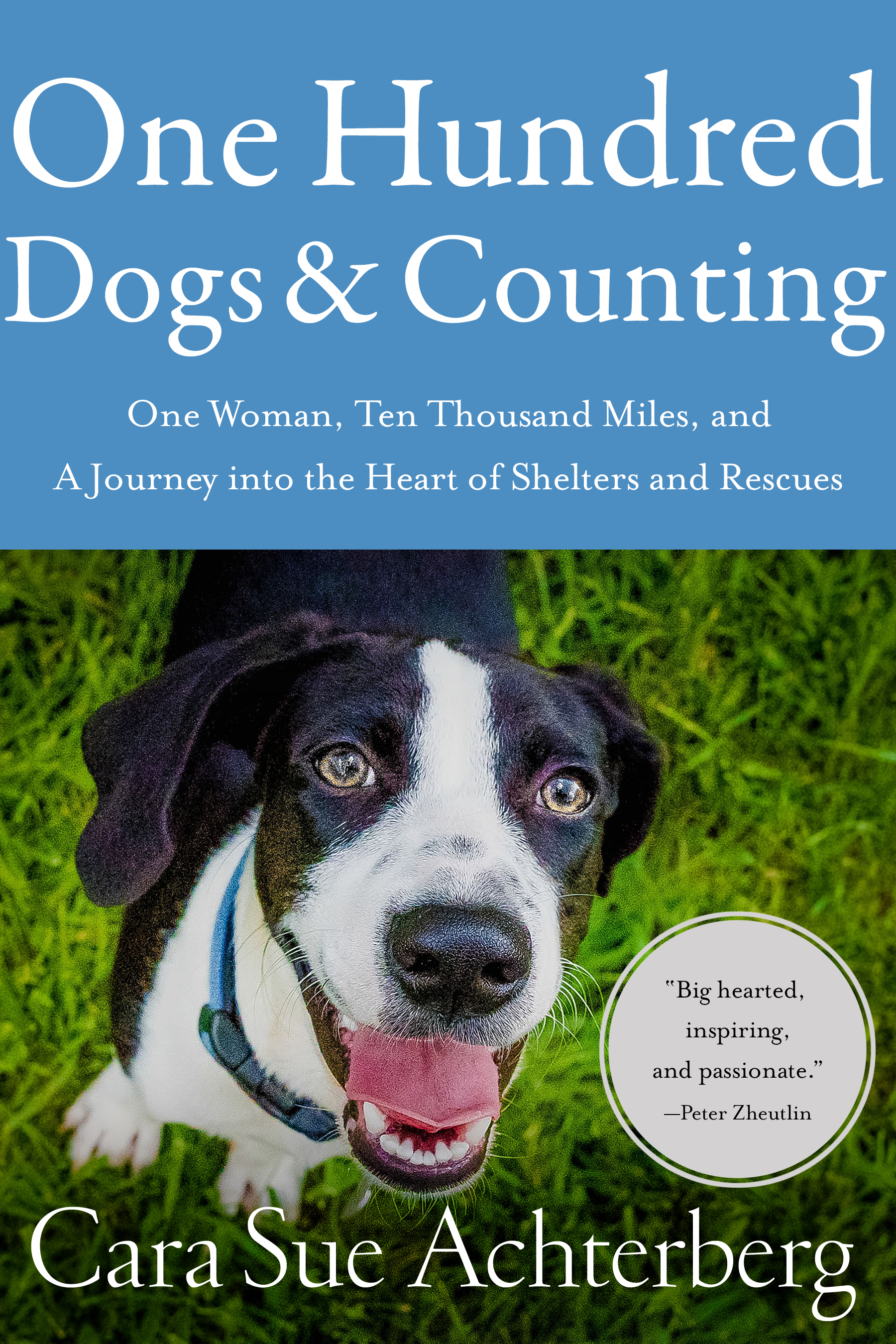
If you can’t get enough foster dog stories, check out my book: Another Good Dog: One Family and Fifty Foster Dogs. Or its follow up that takes you to the shelters in the south One Hundred Dogs & Counting: One Woman, Ten Thousand Miles, and a Journey Into the Heart of Shelters and Rescues.
I love to hear from readers and dog-hearted people! Email me at carasueachterberg@gmail.com.
If you’d like to support the work we do (and save the rescue and me some money), shop our Amazon wishlist. We are currently in need of chicken and chicken-byproduct-free, high-quality food, puppy treats, large dog beds (or cover replacements any size – we can cut the memory foam pieces I have to fit).
If you’d like to take a vacation with your whole pack, consider visiting one of our two dog-WELCOMING vacation rentals. Visits BringDogs.com to learn more.
Many of the pictures on my blog are taken by photographer Nancy Slattery. If you’d like to connect with Nancy to take gorgeous pictures of your pup (or your family), contact: nancyslat@gmail.com.


















 Another Good Dog™